My second birdwatching visit to Tagalag Fishing Village in Valenzuela was another meaningful experience, made even more enriching by joining the guided activities of the Wild Bird Club of the Philippines (WBCP). I frequently participate in WBCP birdwatching walks, and these guided outings continue to provide valuable opportunities to learn from experienced birders, share observations, and deepen my appreciation for local avifauna. The sense of community and shared purpose in conservation makes each visit more engaging and educational.
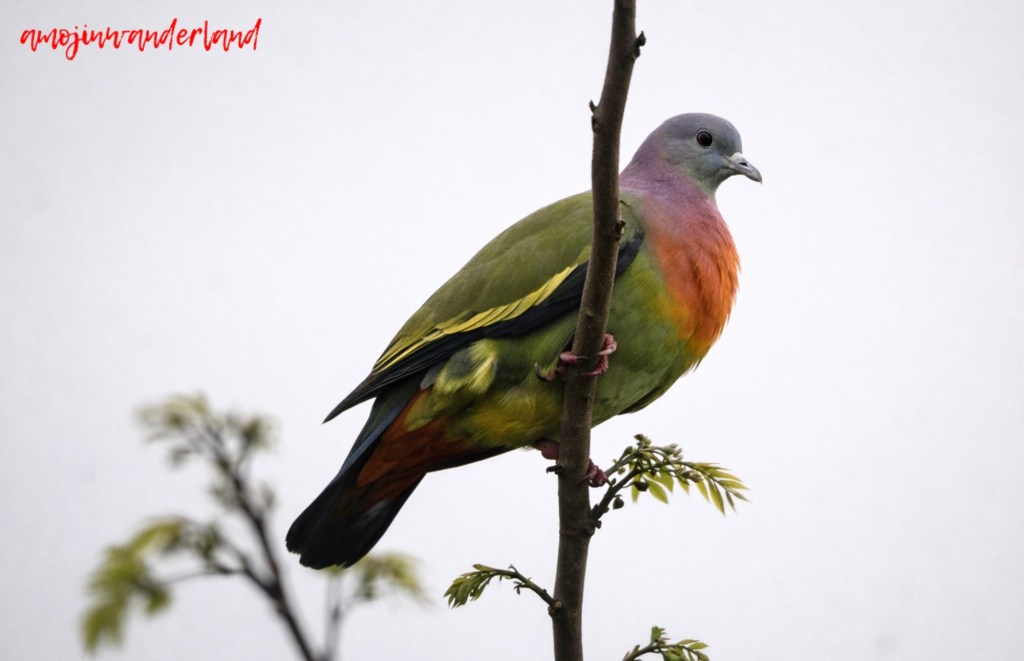
One of the first notable sightings was the Pink-necked Green Pigeon, perched discreetly among dense foliage. Its green plumage blended almost perfectly with the leaves, but careful observation revealed the subtle pinkish tone on the neck and pale bluish hues on the wings.
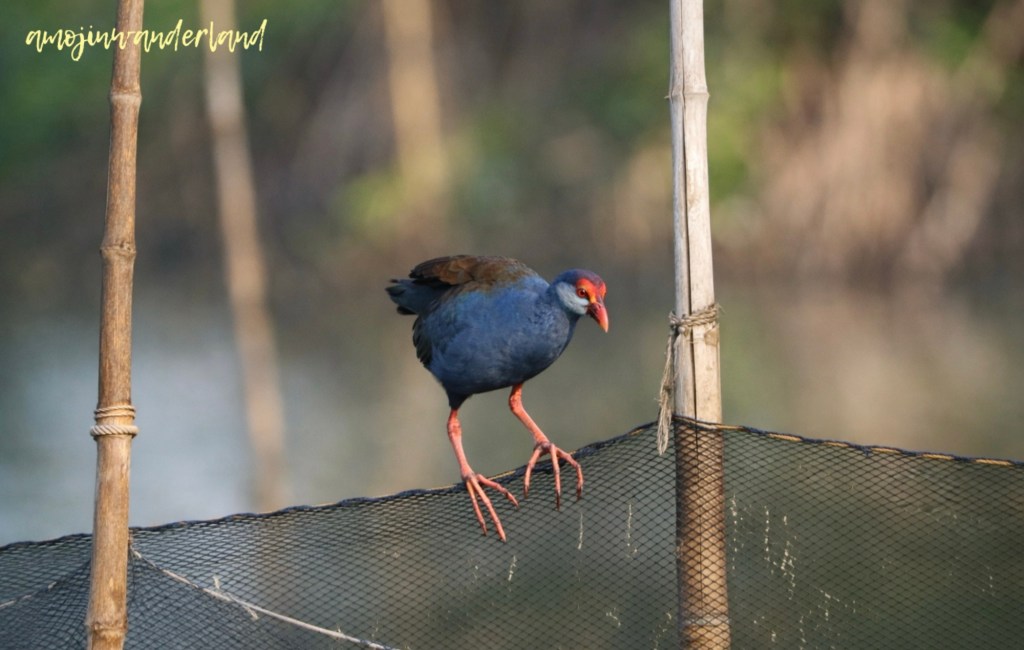
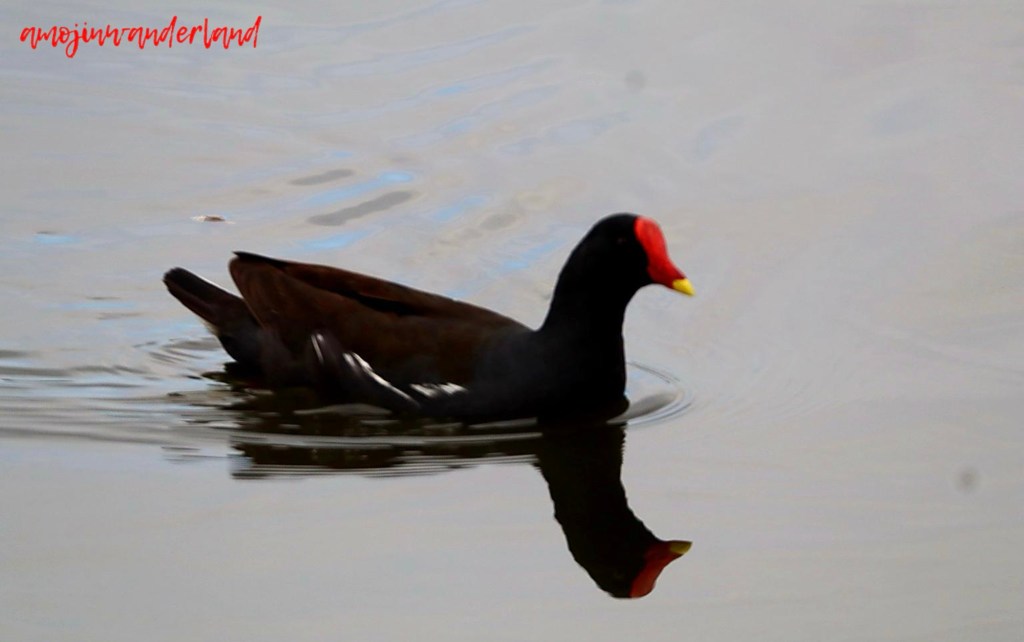
The Philippine Swamphen was seen walking confidently along fishpond netting and bamboo poles, its long pink legs and striking coloration making it highly conspicuous. Nearby, the Eurasian Common Moorhen moved more quietly along the water’s edge, occasionally swimming across shallow sections.
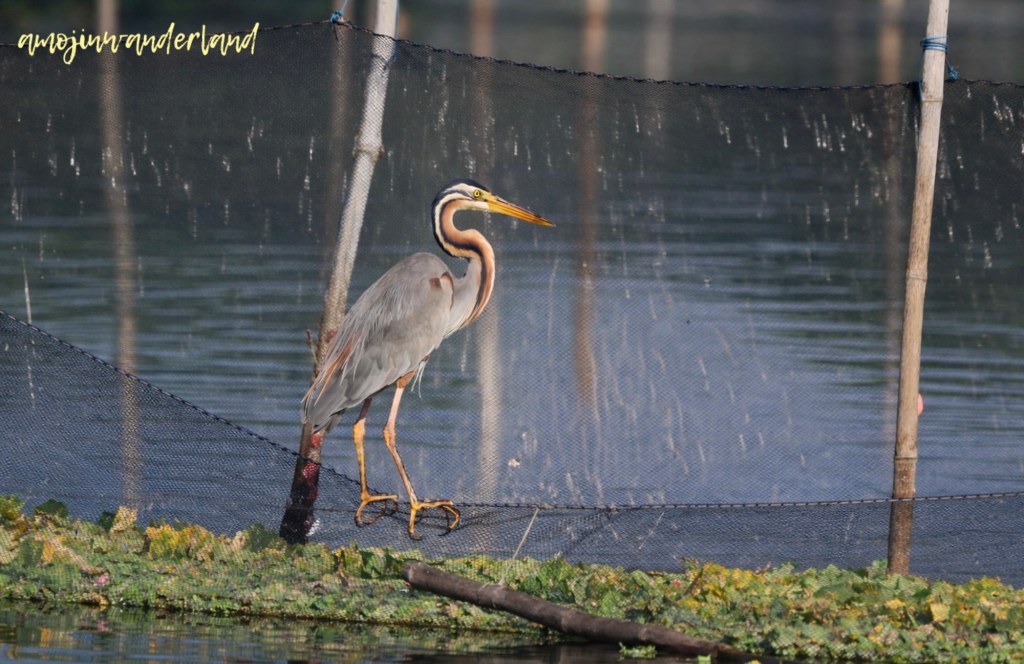
The elegant Purple Heron was seen standing motionless above the fishpond netting. Its elongated neck, slender form, and rich chestnut and gray plumage created a dramatic silhouette against the reflective wetland background.
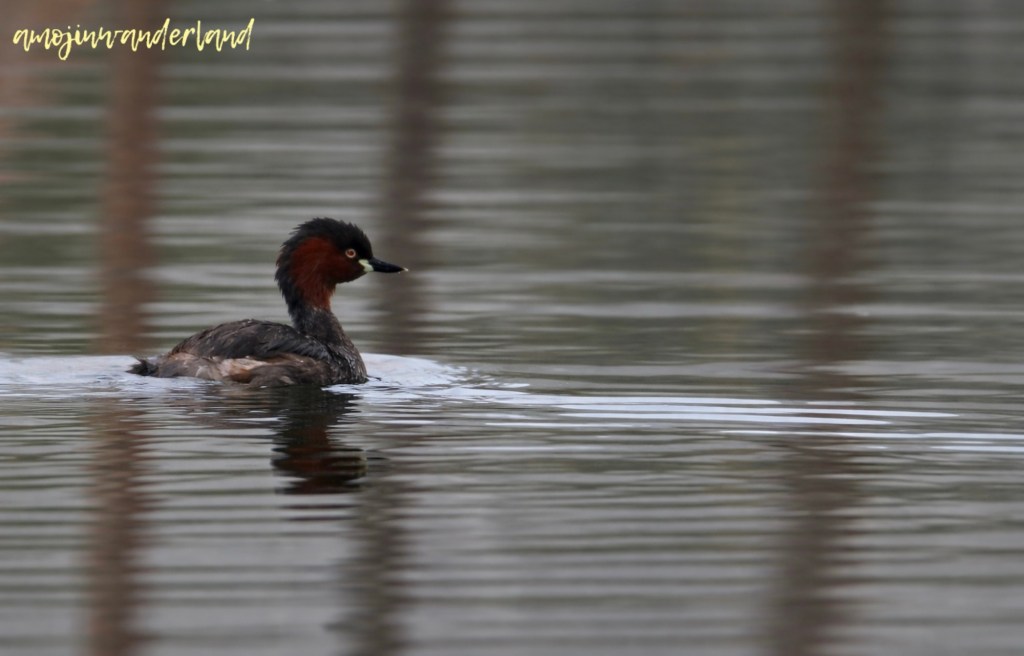
In calmer sections of the fishpond, the Little Grebe was repeatedly observed diving and resurfacing with remarkable agility. Its compact profile and chestnut neck were best appreciated during brief moments on the water before it submerged again.
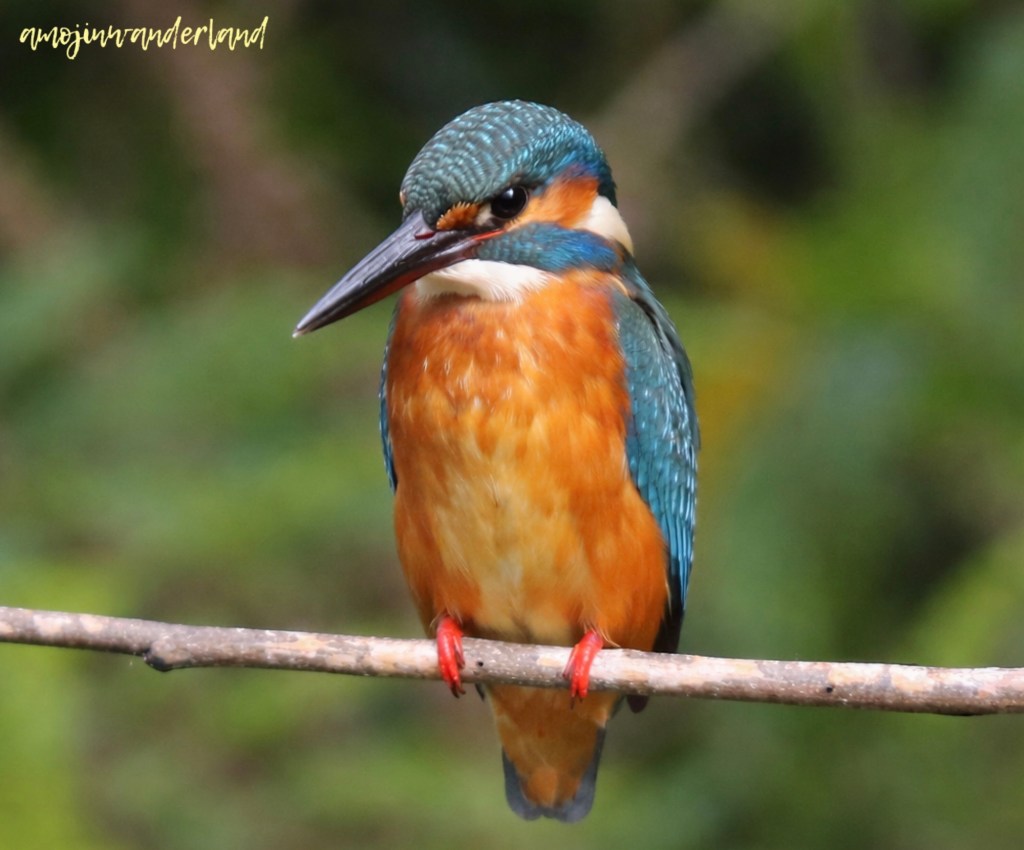
Among the more vivid and charismatic sightings was the Common Kingfisher, perched quietly near the water. Its brilliant blue upperparts and warm orange underparts stood out vividly against the muted tones of the wetland. Watching it remain still before making sudden, precise movements toward the water provided a memorable glimpse into the hunting behavior of this iconic species.
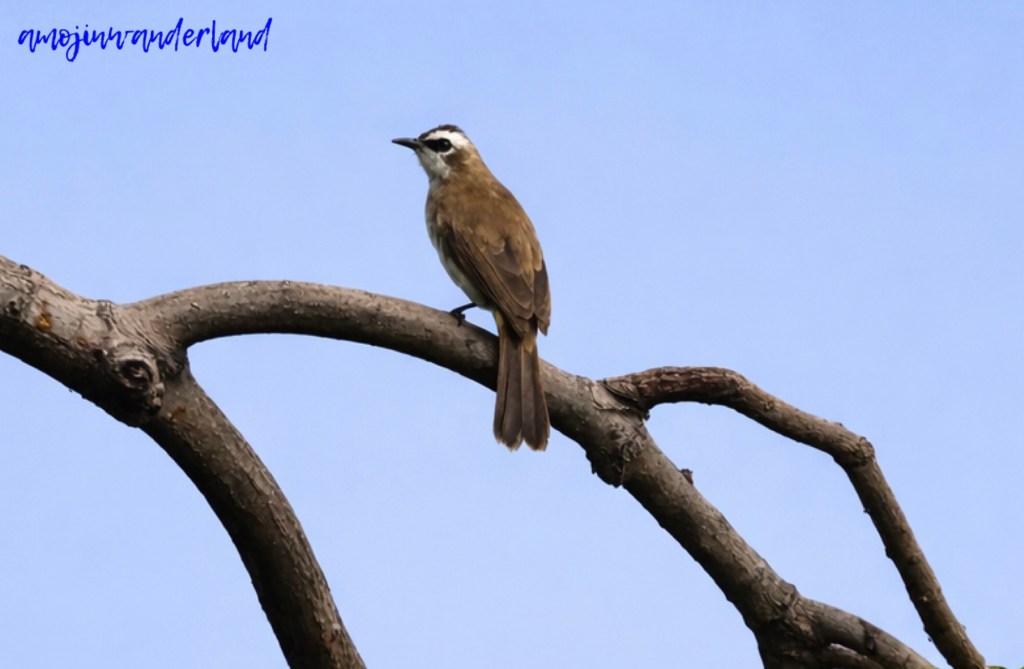
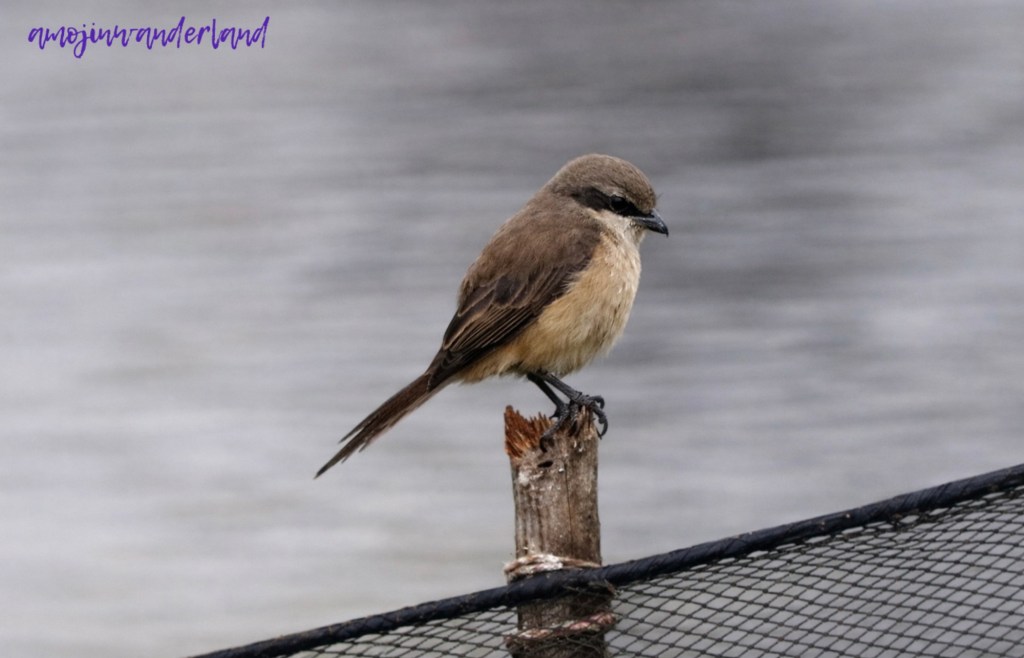
Along the vegetated edges and nearby trees, the adaptable Yellow-vented Bulbul was commonly encountered, perching on exposed branches and moving between fruiting trees. The migratory Brown Shrike also used fishpond structures as hunting perches, scanning the surroundings before making short, precise sallies for prey. Its presence reinforced the importance of Tagalag as a seasonal refuge for migratory birds.
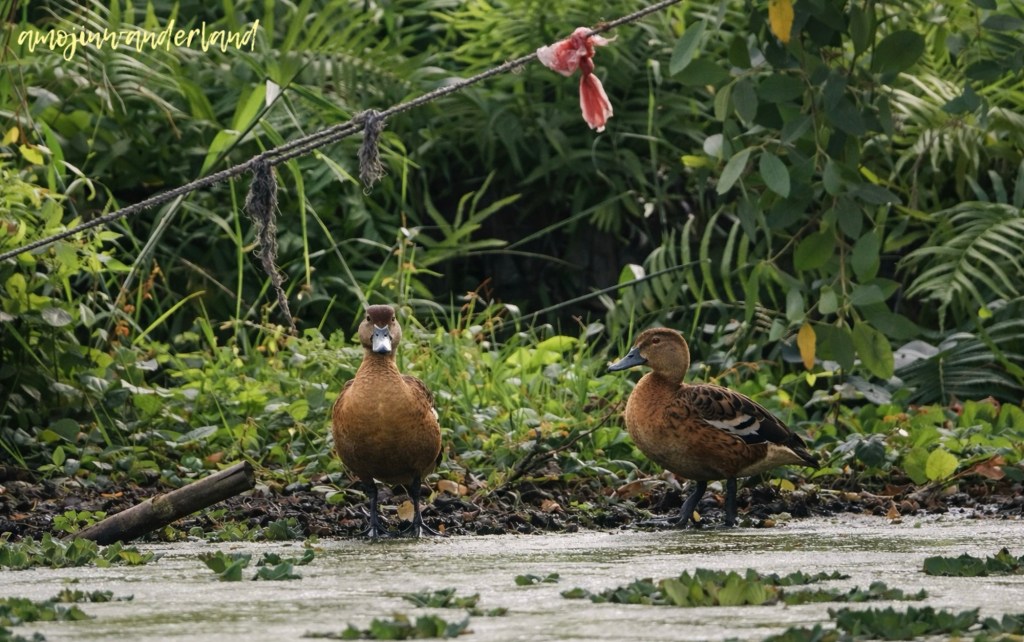
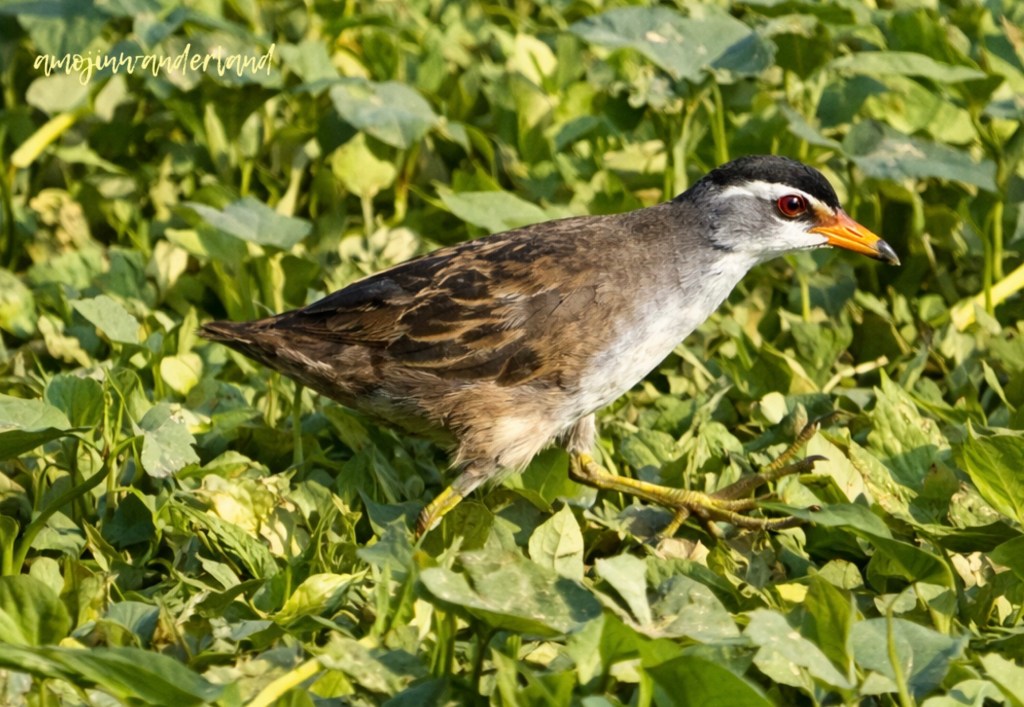
Toward the latter part of the morning, we explored a quieter section of the town where vegetation was denser and more varied. This habitat shift brought new encounters, including the Wandering Whistling Duck, whose warm brown plumage blended naturally with the surrounding greenery. The elusive White-browed Crake was also observed again, moving cautiously through low vegetation and floating plants.
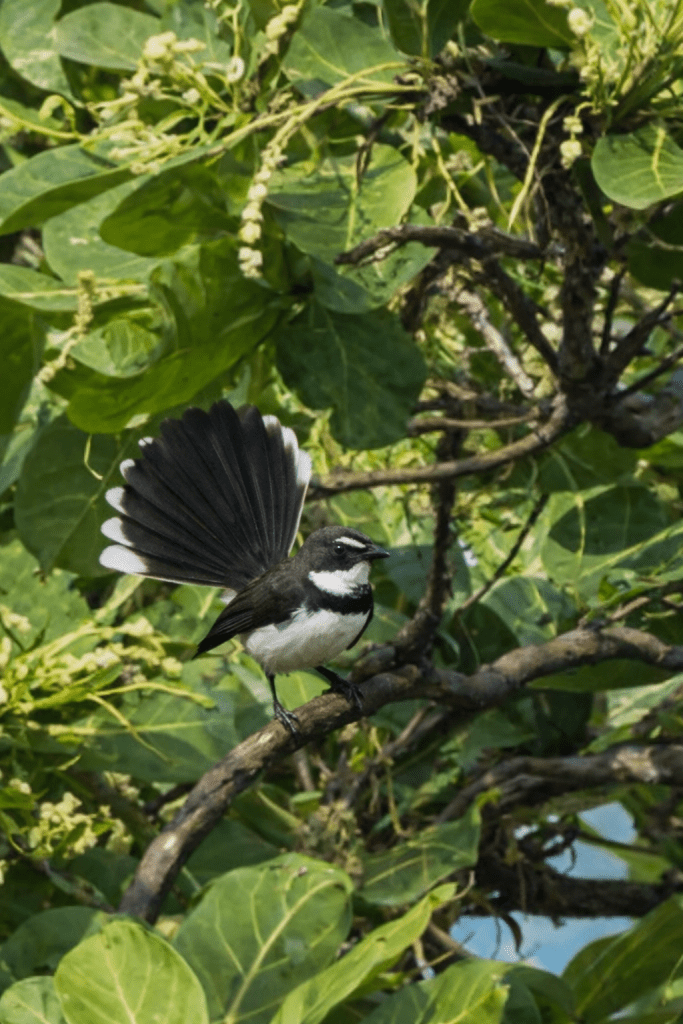
It was only in this final vegetated area that the lively Philippine Pied Fantail appeared, fanning its tail and darting actively between branches. Its energetic behavior provided a dynamic contrast to the stillness of the wetland birds and served as a fitting conclusion to the morning’s observations.
 Amoj In Wanderland