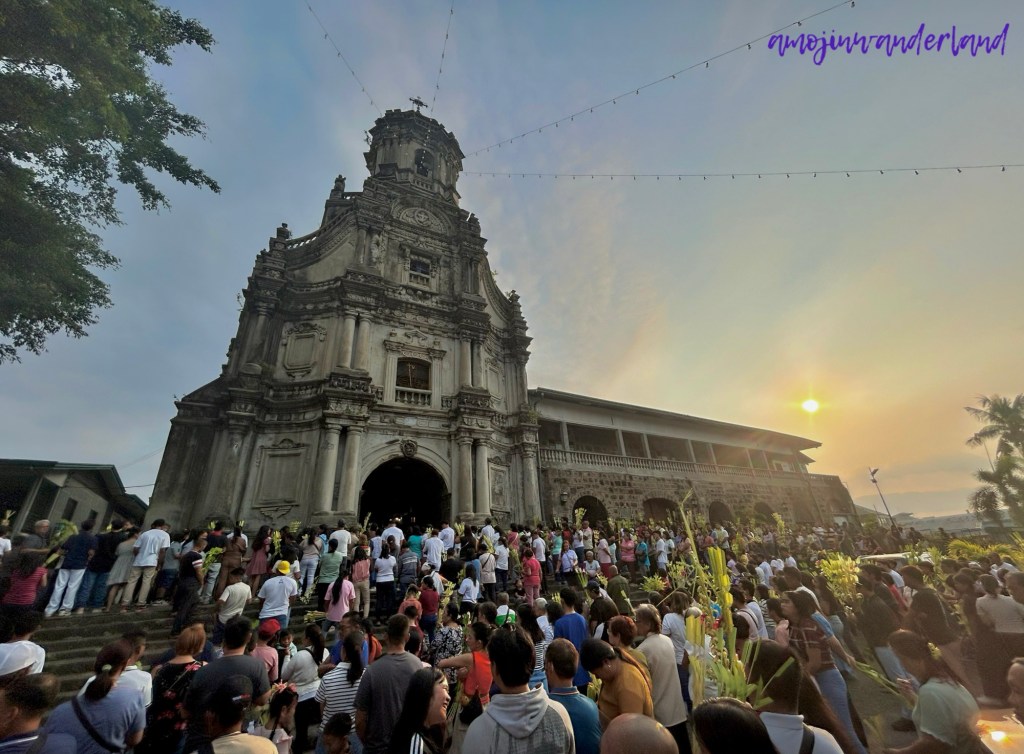
I visited the Diocesan Shrine and Parish of Saint Jerome in Morong, Rizal during Palm Sunday. The church was filled with parishioners carrying woven palms, adding a living layer of tradition to the centuries-old structure. Morong Church was declared a National Cultural Treasure by the National Commission for Culture and the Arts on April 12, 2025. On March 15, 2026, the parish was elevated as a diocesan shrine. The present structure dates to the Spanish period and was built using local materials such as stones from Kay Ngaya, lime from Kay Maputi, and sand and gravel from the Morong River.
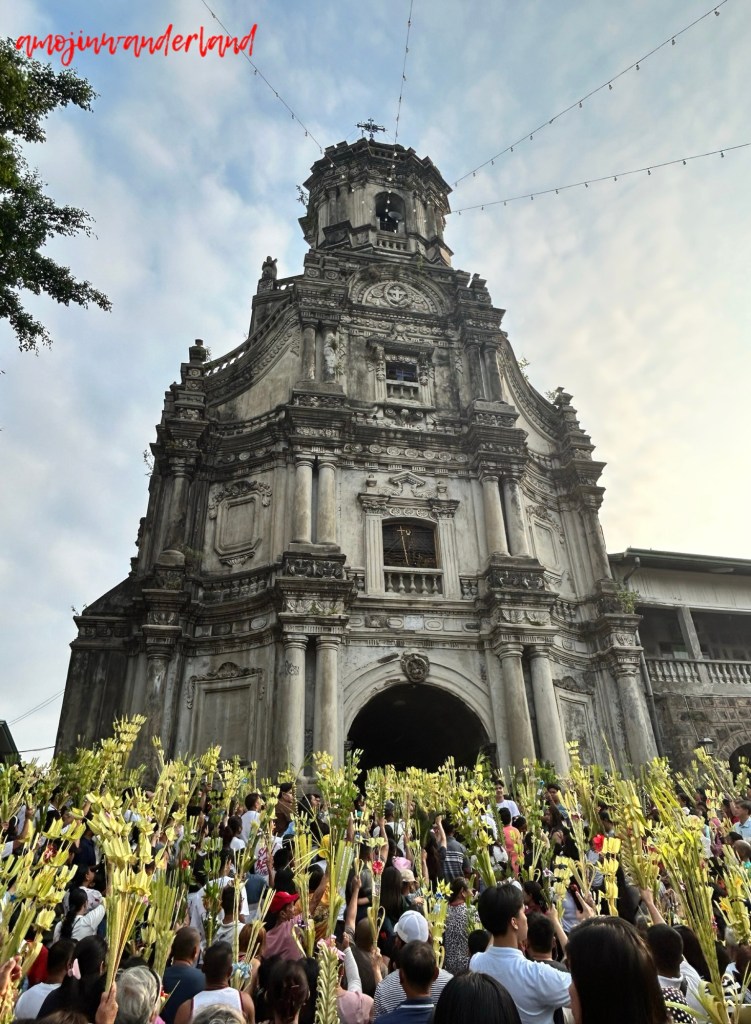
The town of Morong developed from early Franciscan missions led by Juan de Plasencia and Diego de Oropesa in 1578. They organized settlements with attached visitas that later formed Pueblo de Morong, which became an important Franciscan center overseeing nearby communities. Plasencia was known for his work in the Tagalog language and for contributing to early religious texts, including materials used in the Doctrina Christiana, the first printed book in the Philippines.
In 1586, Fray Blas de la Madre de Dios was assigned as the first minister and built a wooden church on the south bank of the river. This structure was destroyed by fire in 1612. A new church of stone and mortar was constructed in 1615 on higher ground across the river to reduce exposure to floods and fire. It was built under the direction of Chinese craftsmen and completed in 1620. The church was dedicated to Saint Jerome and remained largely unchanged for more than two centuries.
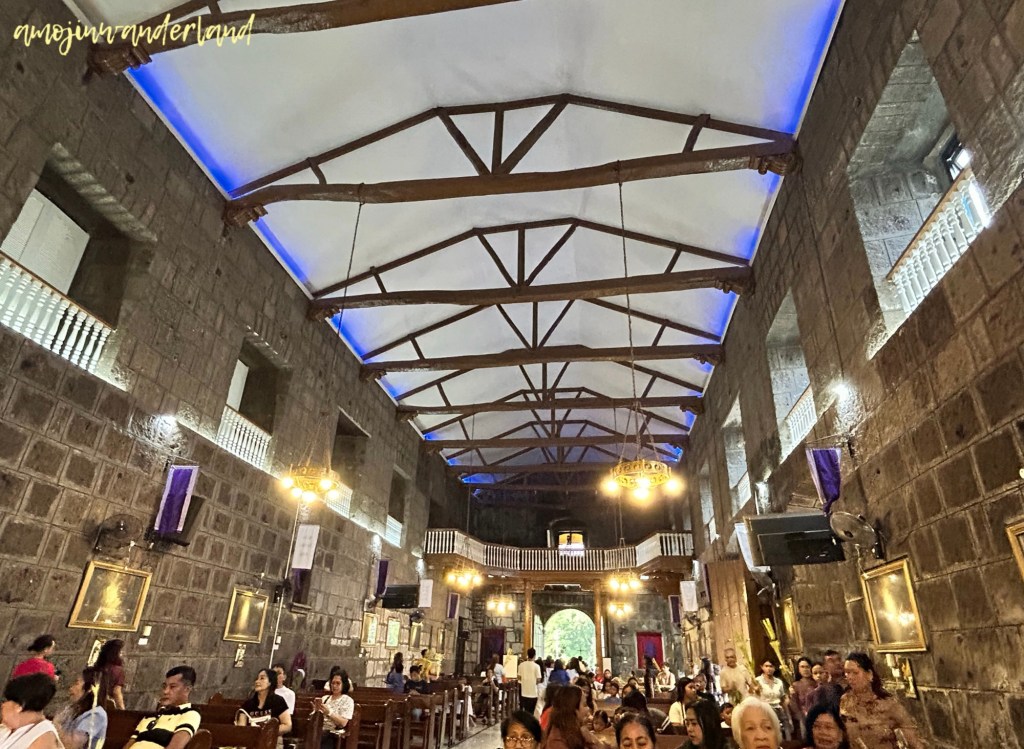
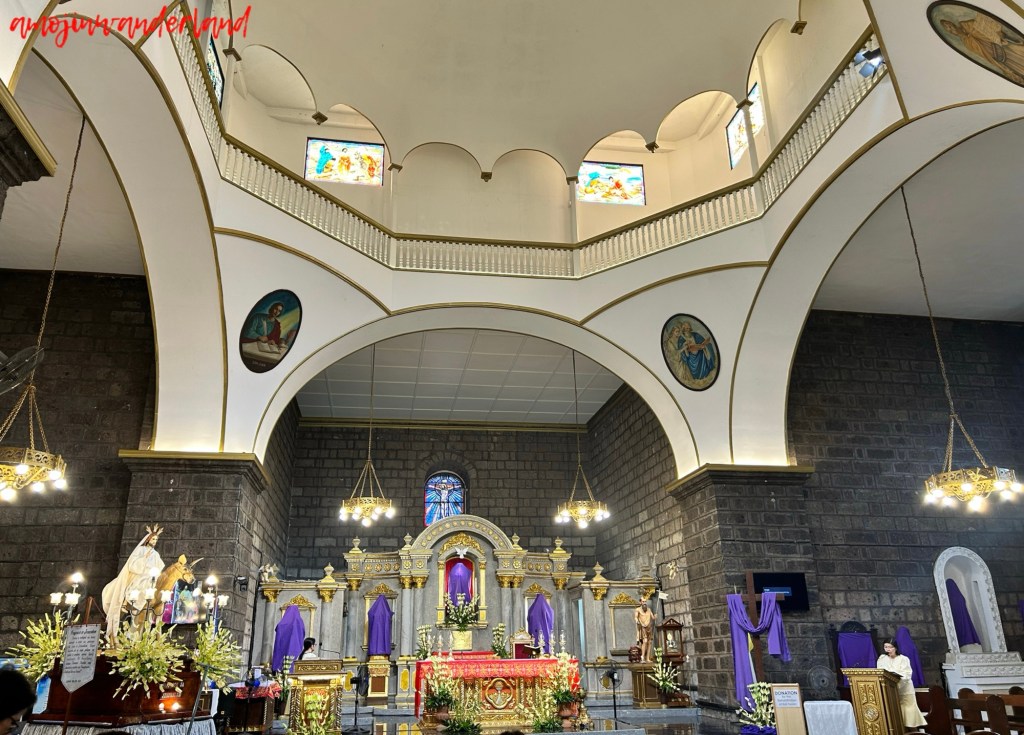
The structure remained largely unchanged until renovations between 1850 and 1853 under parish priest Máximo Rico, when Bartolome Palatino of Paete redesigned the façade and constructed the bell tower. The church features a three-story Baroque Revival façade with a projecting central section, decorative elements influenced by Mexican designs, and four angels representing the cardinal virtues at the corners of the bell tower. The octagonal bell tower is topped with an illuminated cross that is visible from surrounding areas and has long served as a guide for fishermen. Inside, the church retains a single nave with a semi-circular apse, preserving its early spatial layout.
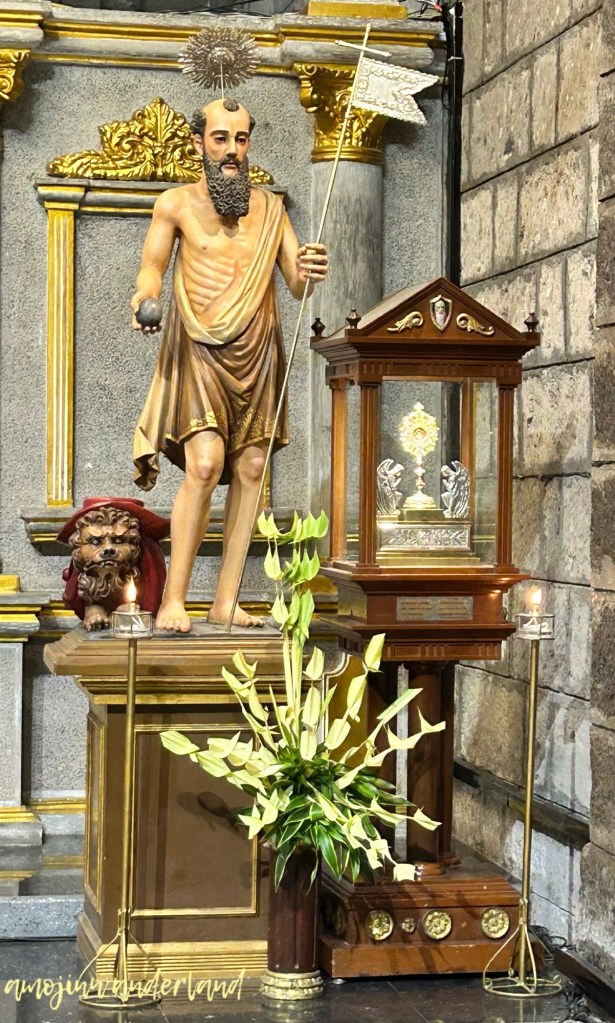
Saint Jerome, the church’s patron, was a priest and scholar best known for translating the Bible into Latin, producing the Vulgate. He spent much of his later life in Bethlehem devoted to study and writing. He is often depicted with a lion, based on a story in which he removed a thorn from the animal’s paw, after which it remained with him. This association has become a lasting symbol of the saint. The parish maintains a direct link to its patron through a first-class relic of Saint Jerome, received in 2005 following a pilgrimage to the Holy Land and Vatican City.
 Amoj In Wanderland