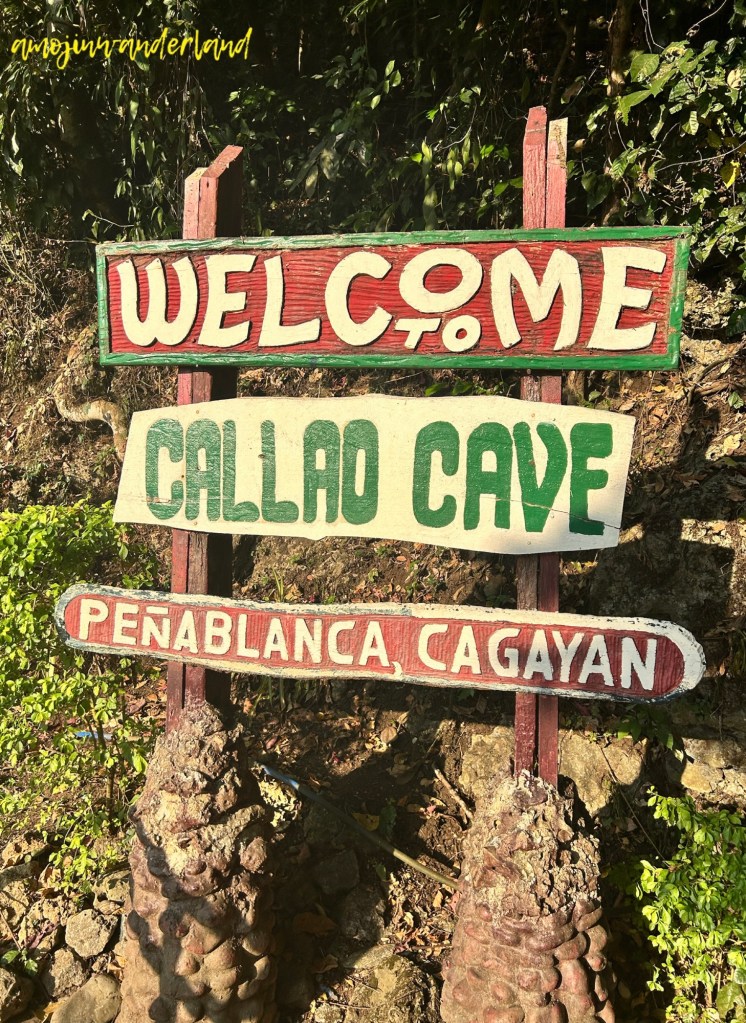
Callao Cave is one of the most well-known natural attractions in Peñablanca, Cagayan, located within the Peñablanca Protected Landscape and Seascape along the foothills of the Sierra Madre mountain range. It is about 24 kilometers from Tuguegarao City and forms part of a broader karst system in the area, where more than 300 caves have been documented, making the municipality an important site for both geological and ecological studies.
I visited Callao Cave on Maundy Thursday as a sidetrip during our Visita Iglesia across Isabela and Cagayan. We were guided by an Aeta tour guide who mixed explanations with light humor, making the walk through the chambers more engaging. As she pointed out different formations, she would occasionally relate them to familiar shapes or add short jokes, which helped keep the group attentive while still learning about how the cave formed.
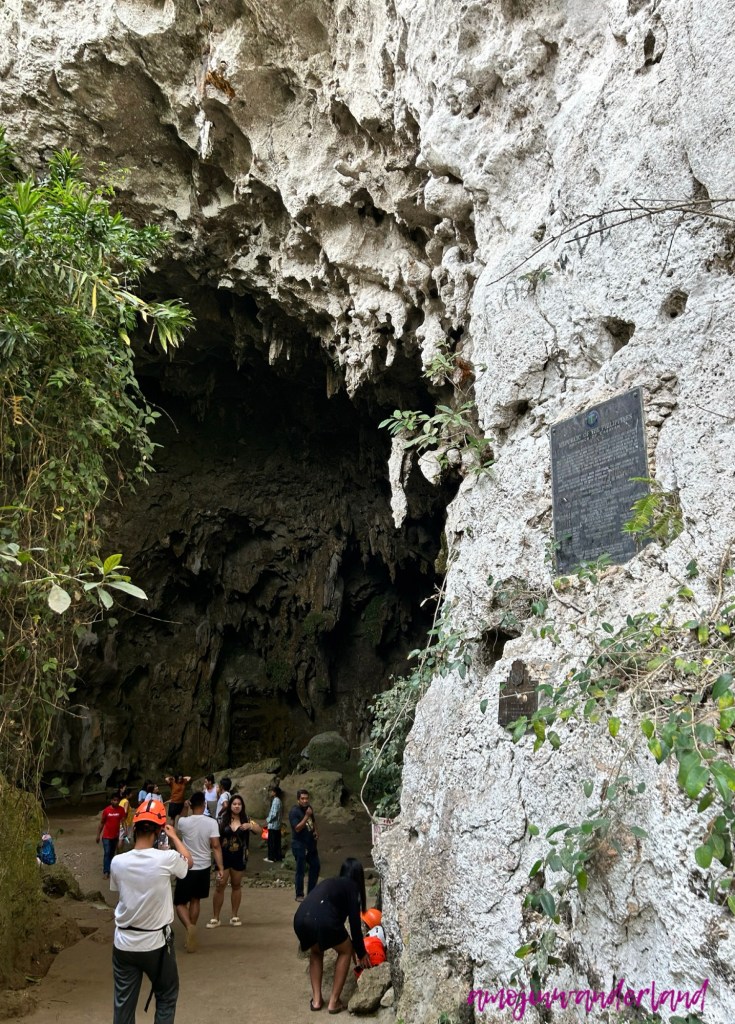
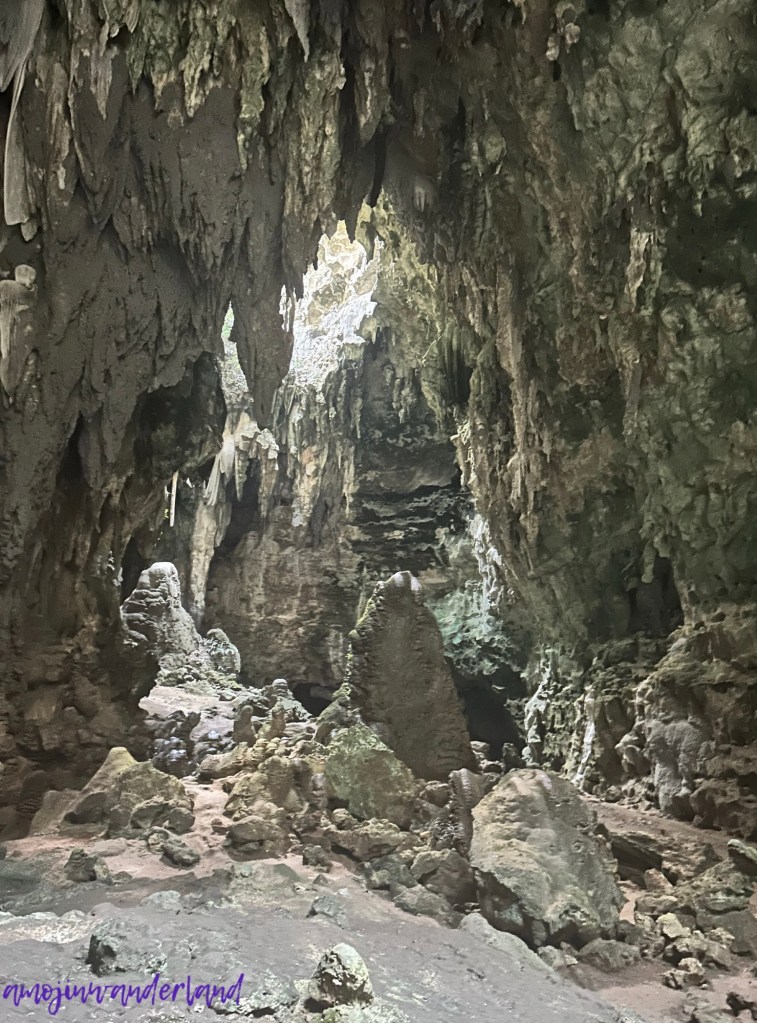
Access to the cave begins with a climb up a series of concrete steps leading to its entrance. Inside, the cave is composed of seven chambers, each shaped by natural processes over thousands of years. Limestone formations such as stalactites and stalagmites are present throughout, formed through the gradual deposition of minerals from dripping water. Each chamber has slightly different features, depending on how water moved and accumulated over time.
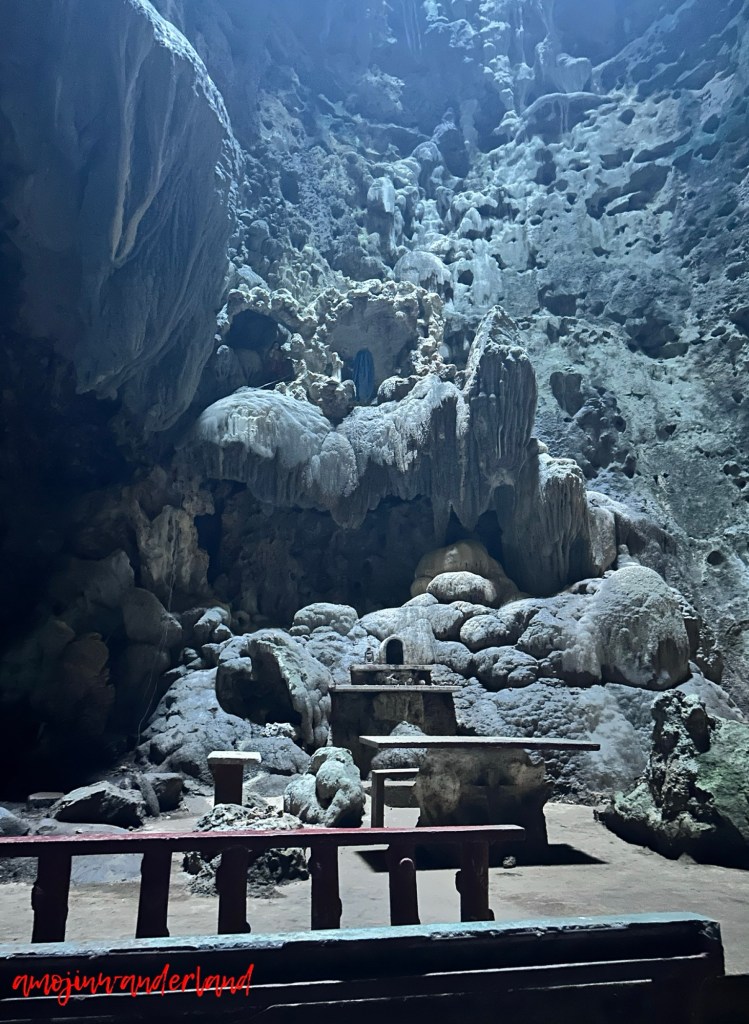
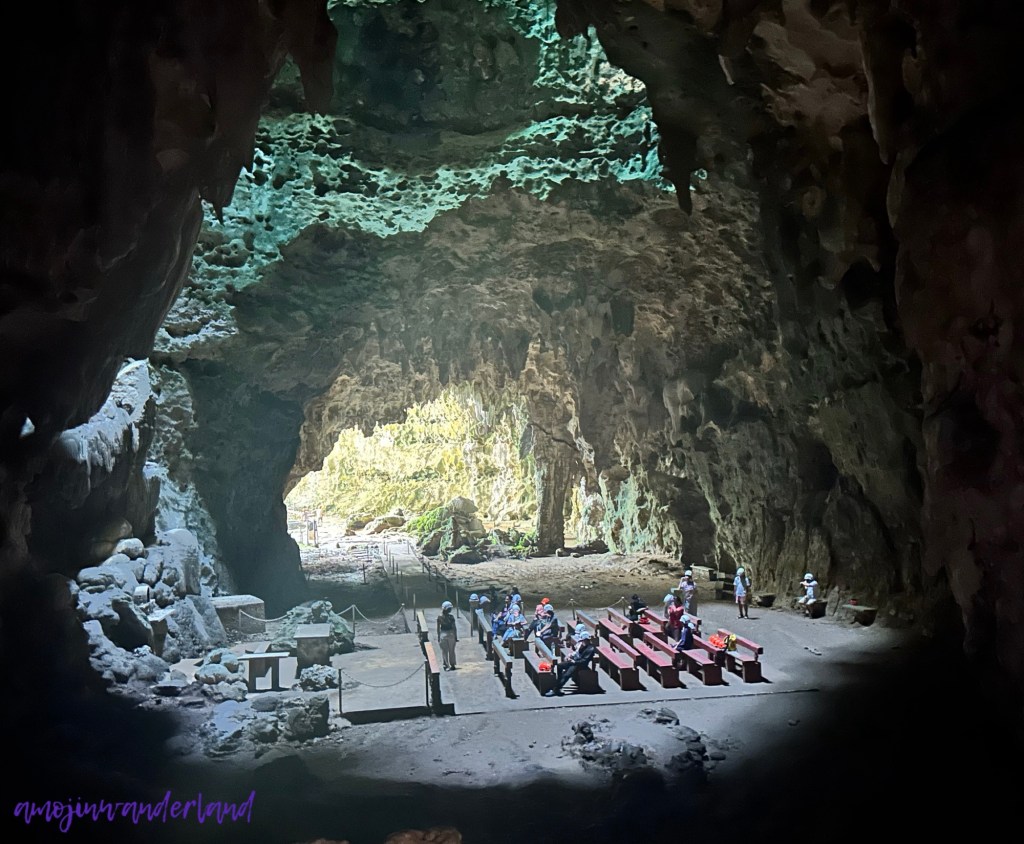
The first chamber contains one of the most recognizable features of Callao Cave, a natural chapel. An opening in the cave ceiling allows sunlight to enter, illuminating a simple altar set against the rock formations. This area has been used for religious services and is often the highlight for visitors, especially those coming from church visits nearby.
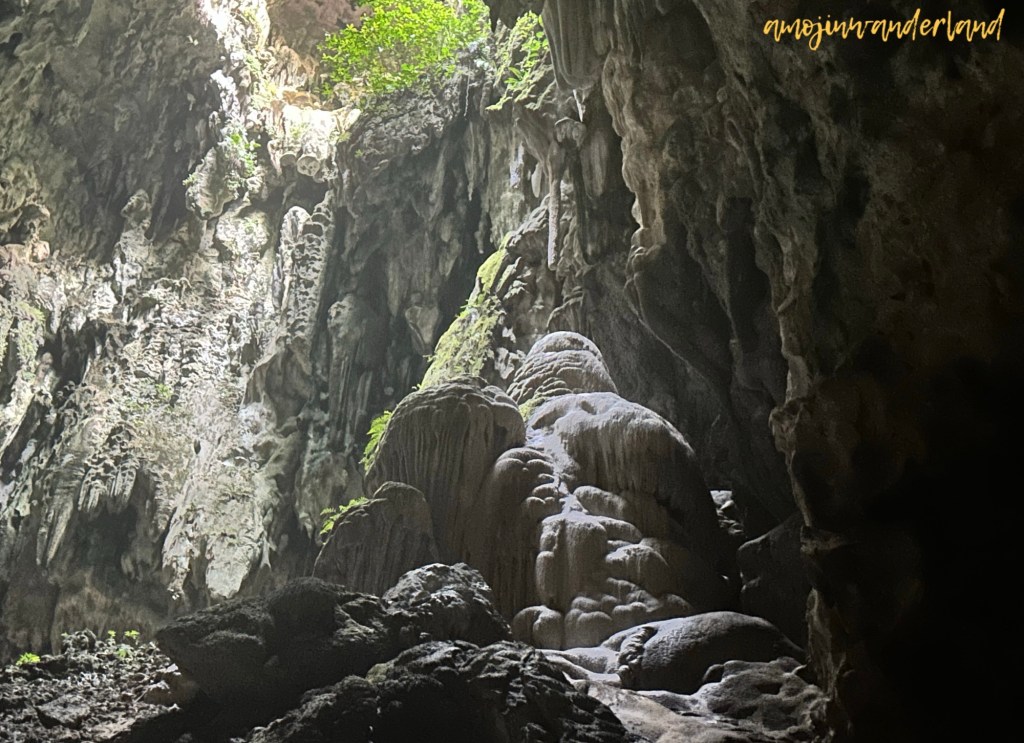
As the cave extends further inward, the chambers become darker and more enclosed, requiring artificial lighting. The later sections display more developed formations, including flowstones and columns formed by the merging of stalactites and stalagmites. The cave floor becomes more uneven in these areas, shaped by erosion and occasional water flow during heavy rains.
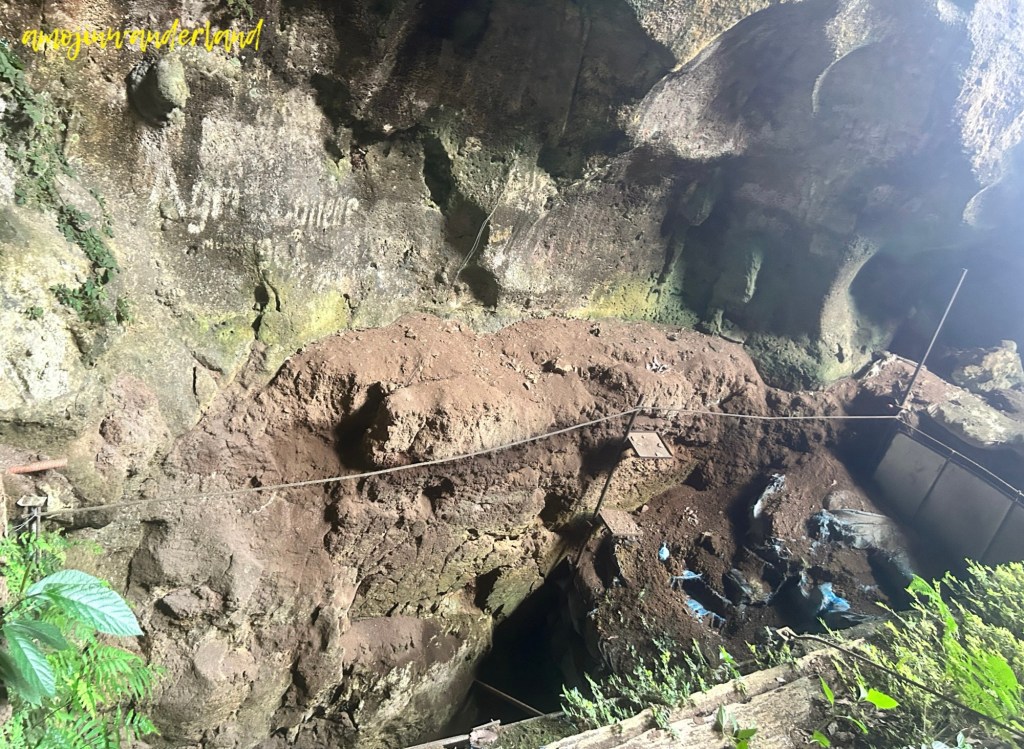
Callao Cave also holds archaeological importance. Excavations in the area led to the discovery of human remains identified as Homo luzonensis, a prehistoric human species that lived around 50,000 to 67,000 years ago. This discovery contributed to the understanding of early human presence in the Philippines and Southeast Asia.
 Amoj In Wanderland