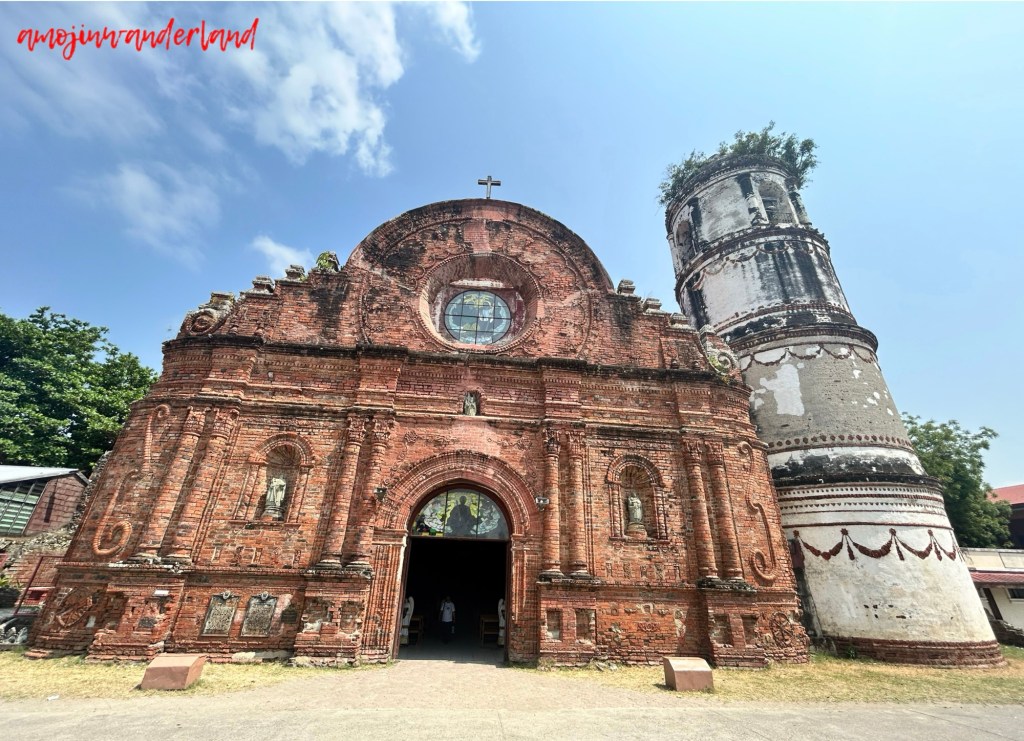
St. Matthias Church, more commonly known as Tumauini Church, stands quietly in Tumauini, Isabela, its red brick façade immediately setting it apart from most churches in the region. Built in 1753 under the guidance of Dominican missionaries and completed in 1805, the church reflects both the persistence of early evangelization efforts in the Cagayan Valley and the craftsmanship that defined ecclesiastical structures of that period. Constructed almost entirely of baked brick, it carries a warm, textured appearance that becomes more pronounced under natural light.
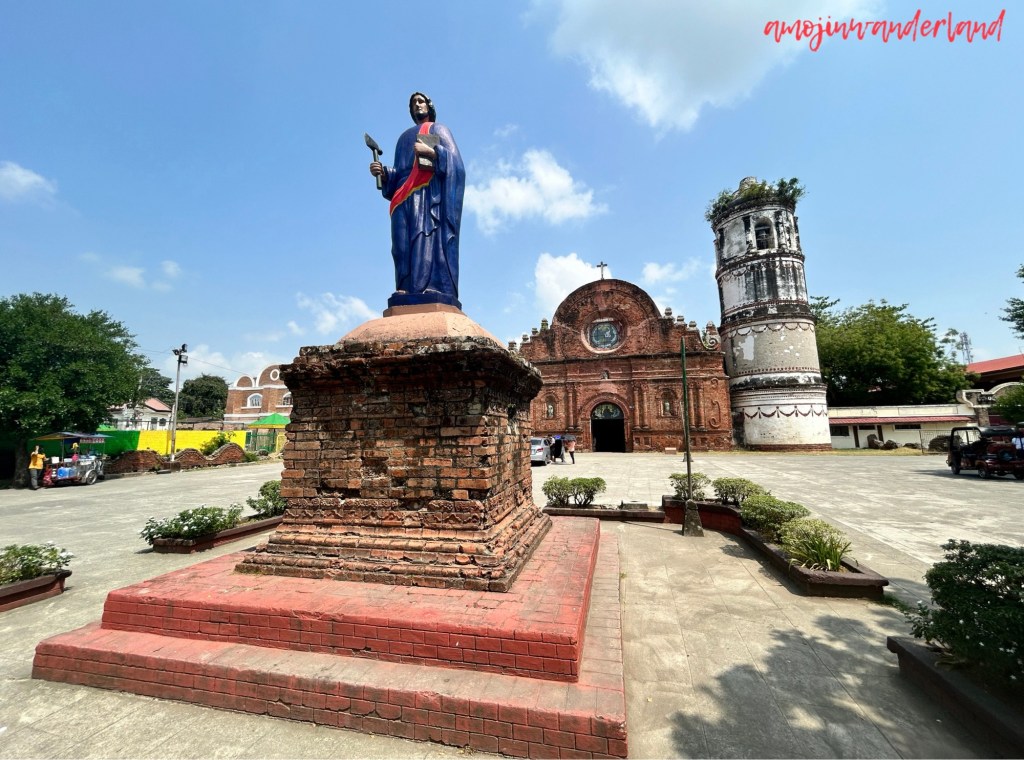
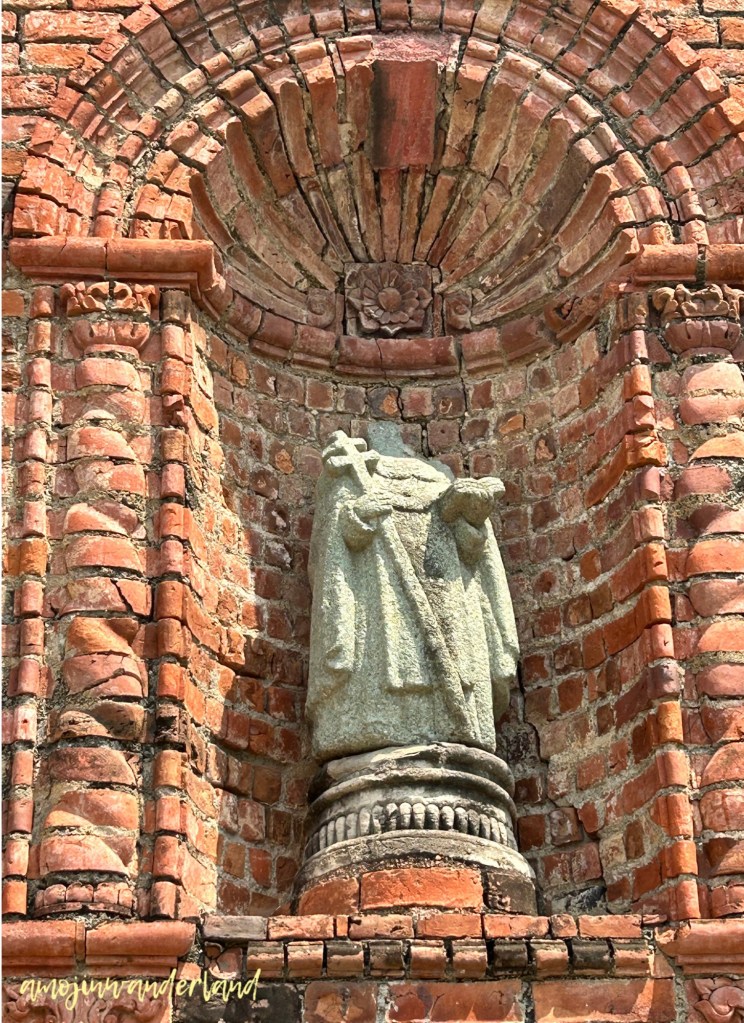
The church is dedicated to St. Matthias, one of the apostles chosen to replace Judas Iscariot, and over time it has become one of the most recognizable religious landmarks in Isabela. Its architectural style is distinctly Baroque, with a strong local adaptation that gives it a unique identity. The façade is richly decorated with intricate floral patterns and bas-relief details, all molded from brick. These delicate designs highlight the level of artistry achieved using local materials.
One of the most striking features of Tumauini Church is its cylindrical bell tower, often compared to a layered wedding cake because of its rounded, tiered form. This unusual structure stands out from the more common rectangular bell towers seen in other Spanish-era churches and has become one of the defining elements of the church’s appearance.
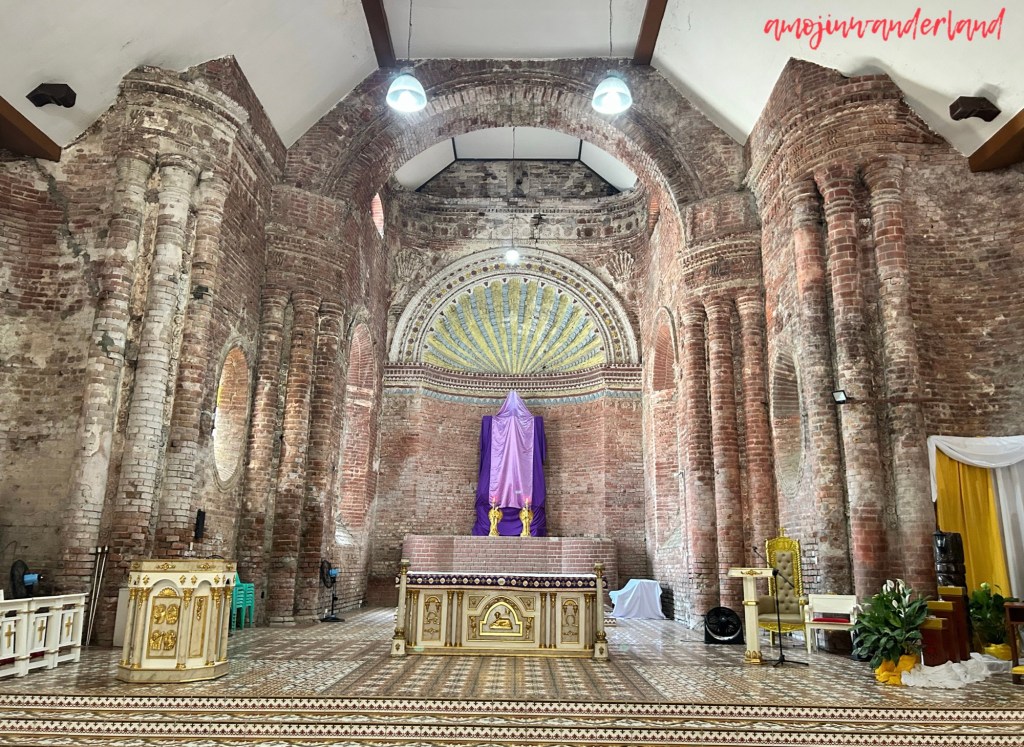
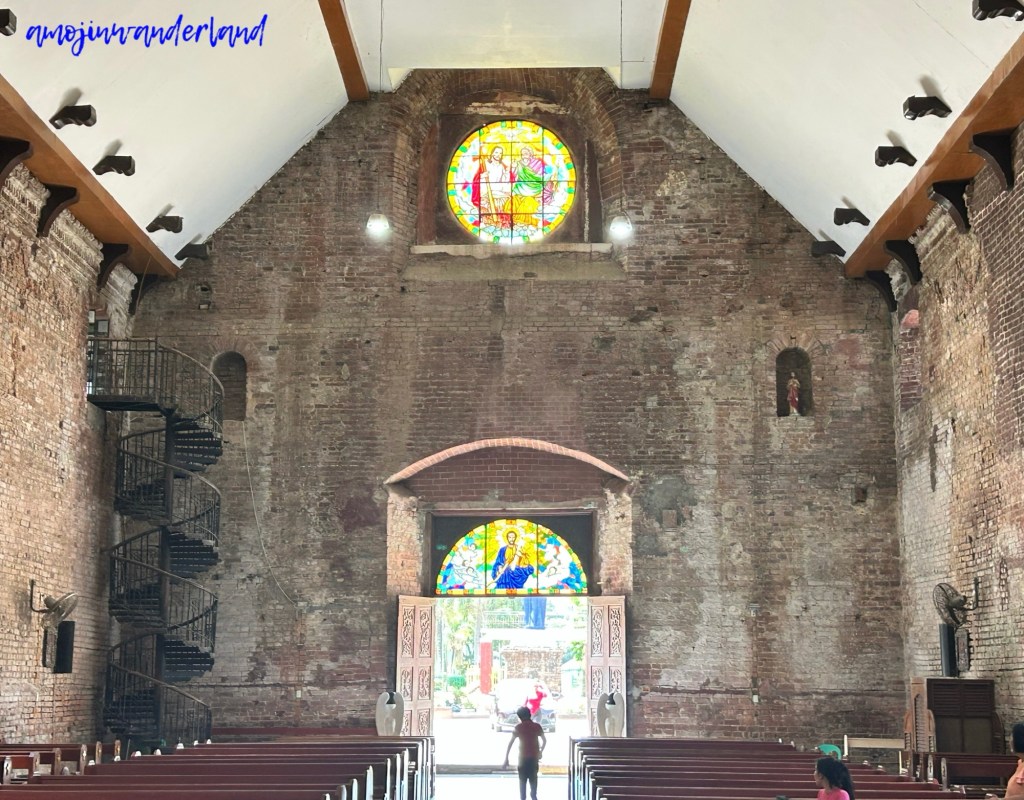
Inside, the church maintains a consistent aesthetic with its exposed brick walls, creating a sense of continuity from exterior to interior. The space relies on the natural texture and color of the brick, giving it a simple yet historically grounded atmosphere.
Recognized for its cultural and historical importance, Tumauini Church has been declared a National Cultural Treasure by the National Museum of the Philippines and a National Historical Landmark by the National Historical Commission of the Philippines.
 Amoj In Wanderland