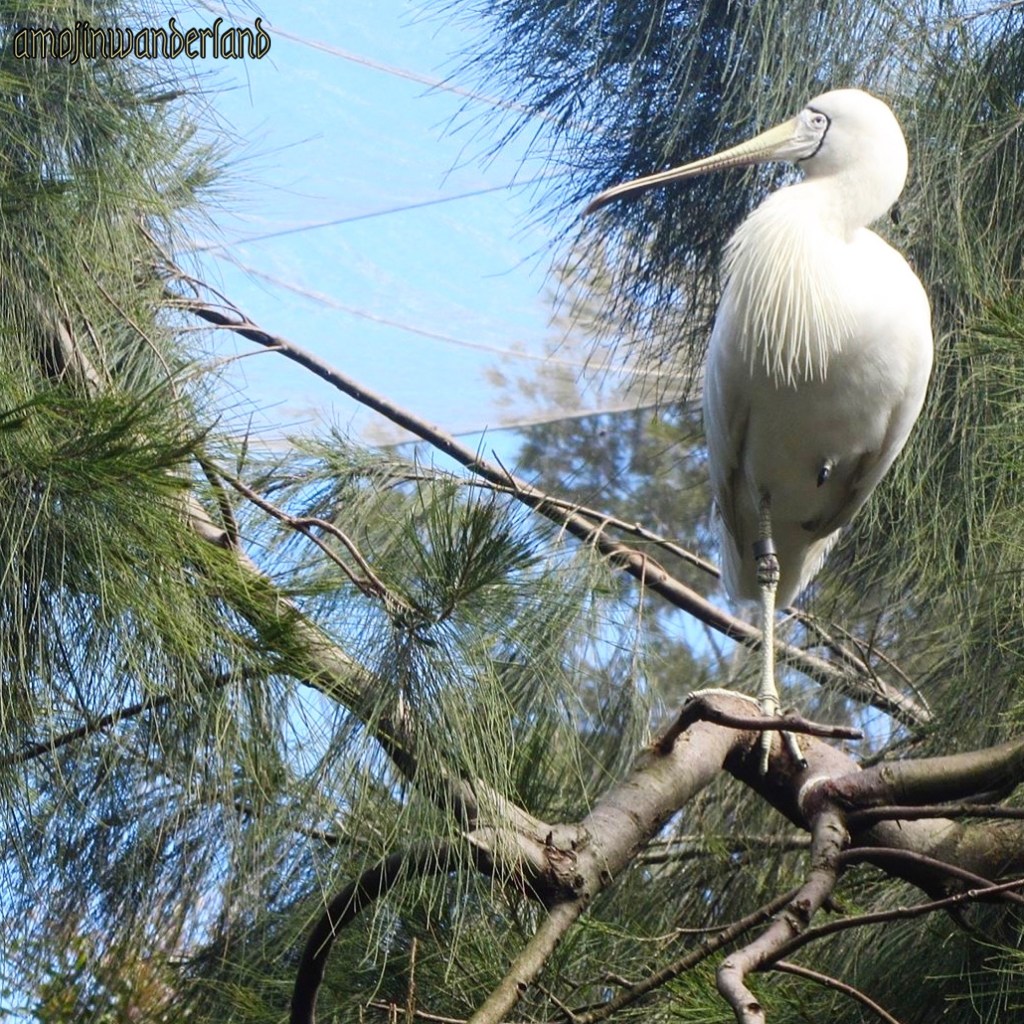
Birding. A hobby in which individuals enjoy the challenge of bird study, listing, or other general activities involving bird life.
Birder. The acceptable term used to describe the person who seriously pursues the hobby of birding. May be professional or amateur.
Bird-watcher. A rather ambiguous term used to describe the person who watches birds for any reason at all, and should not be used to refer to the serious birder.
—Birding, Volume 1, No.2 (1969)
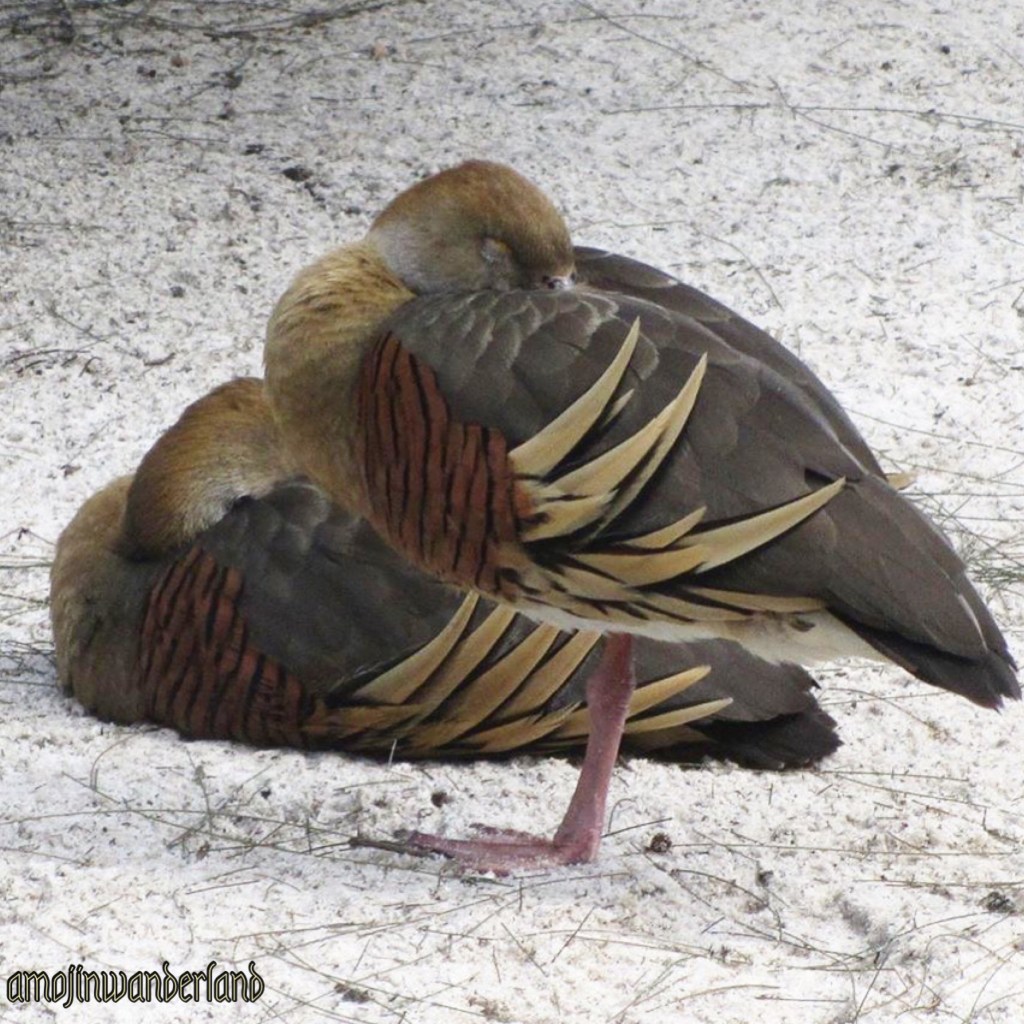
Should I prefer to be referred to as a birder or a birdwatcher? Many enthusiasts who identify as birders set themselves apart from those known as birdwatchers, with the term “birder” being less familiar to the general public. At its core, the distinction is often seen as a matter of commitment or passion, although this interpretation can vary.
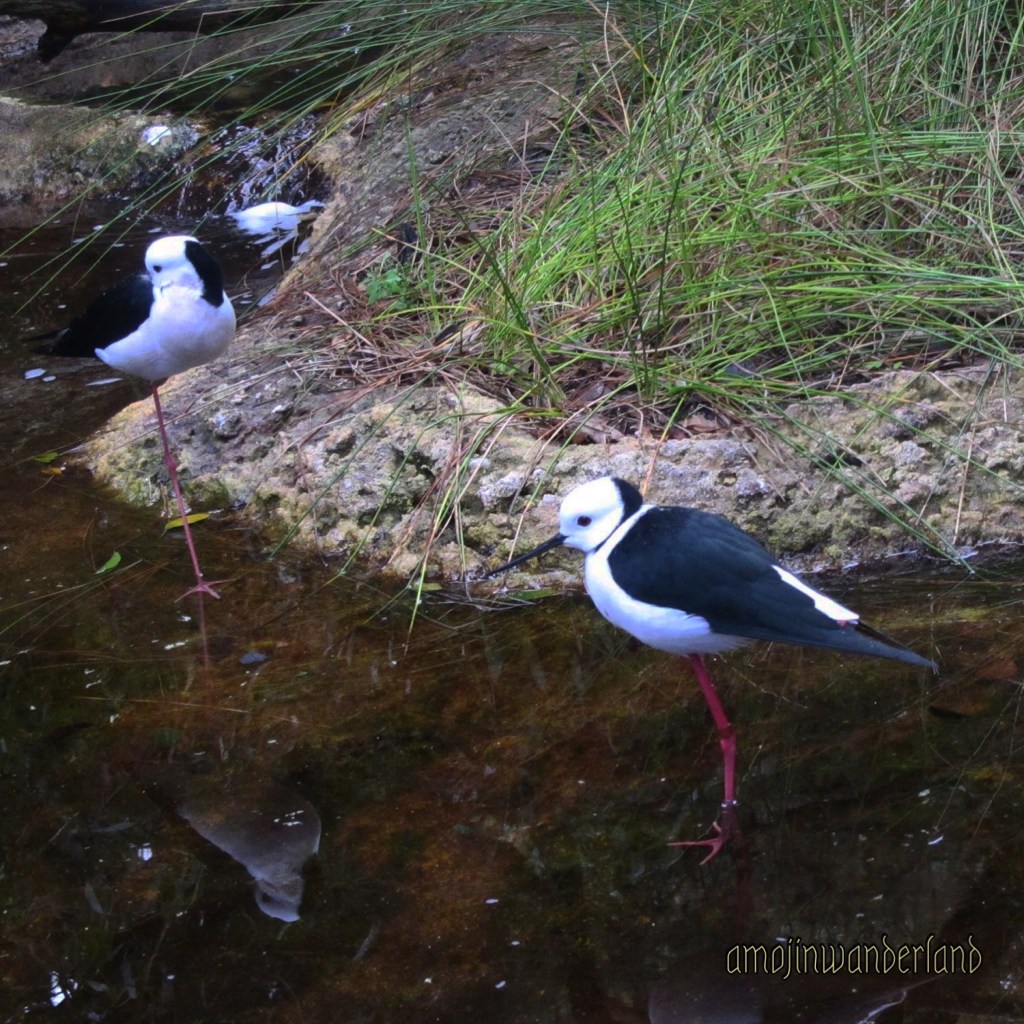
The term “bird watching” was initially introduced as the title of Edmund Selous’s book “Bird Watching” in 1901. On the flip side, the word “birding” was historically used to describe the act of hunting or fowling using firearms, as seen in Shakespeare’s 1602 play “The Merry Wives of Windsor.”
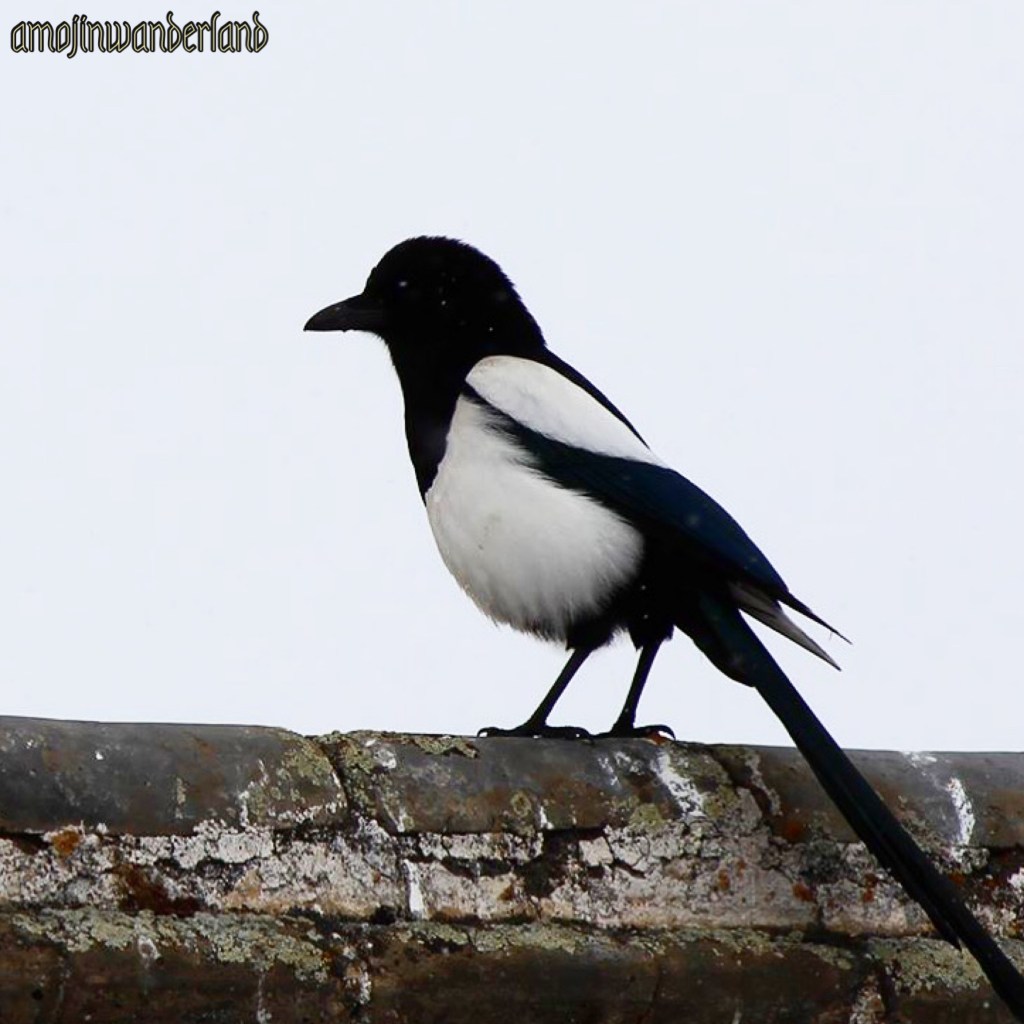
Today, the terms birding and birdwatching are often used interchangeably, yet some individuals lean towards “birding” due to its inclusion of the auditory dimension in appreciating birds.
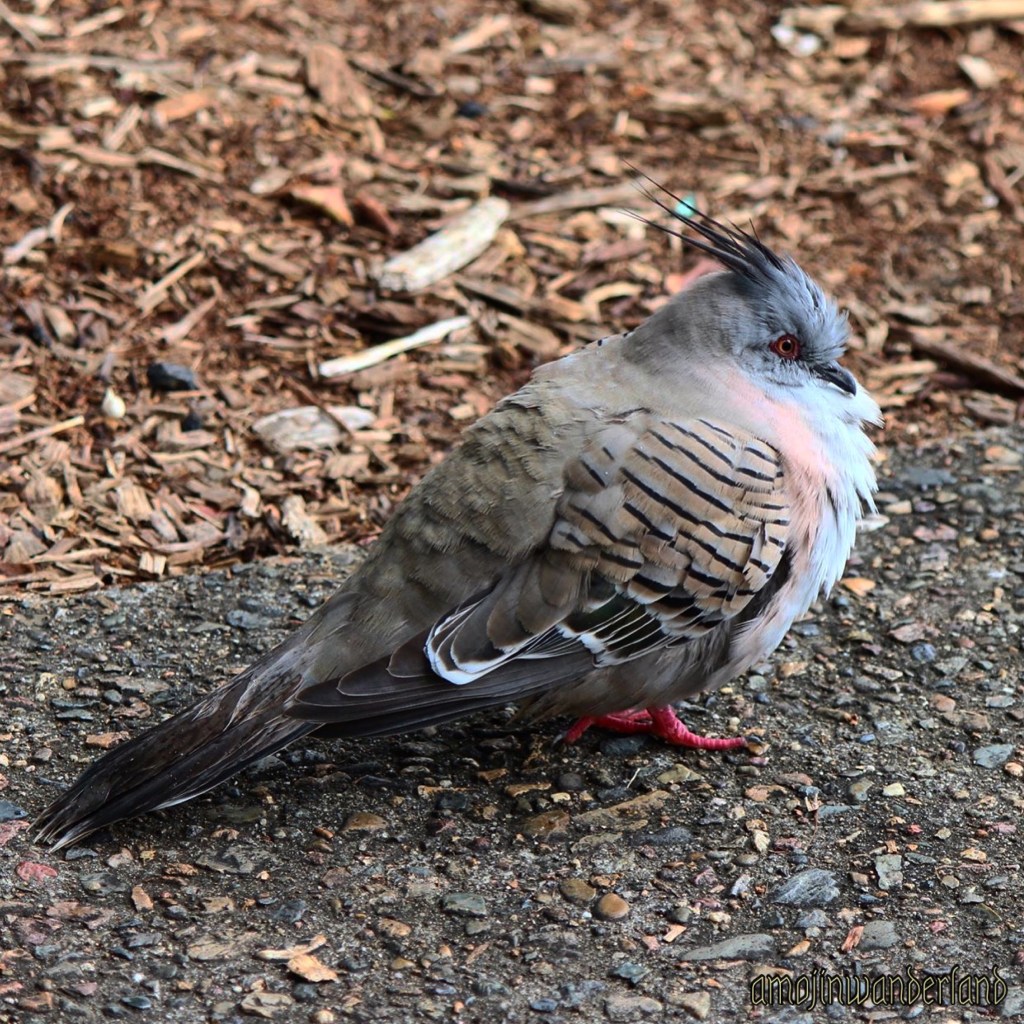
The initial fascination with observing birds for their visual appeal rather than food-related value can be traced back to the late 18th century through the works of Gilbert White, Thomas Bewick, George Montagu, and John Clare.
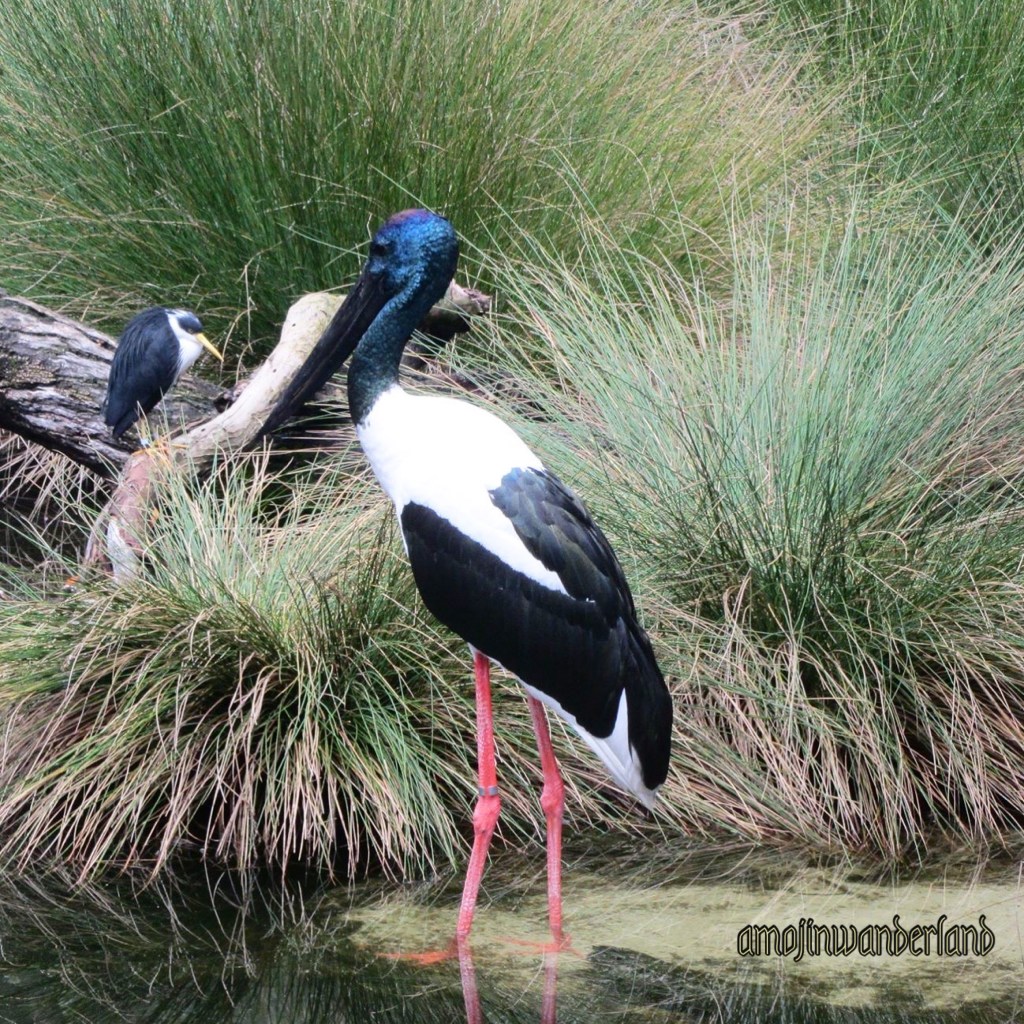
The exploration of birds and natural history as a whole gained prominence in Britain during the Victorian Era. This period was often linked with the collection of items, with eggs and later skins becoming noteworthy artifacts of interest. Affluent collectors utilized their overseas connections to acquire specimens from various parts of the globe. Only in the late 19th century did the movement for bird protection contribute to the increasing popularity of observing birds in their natural habitats.
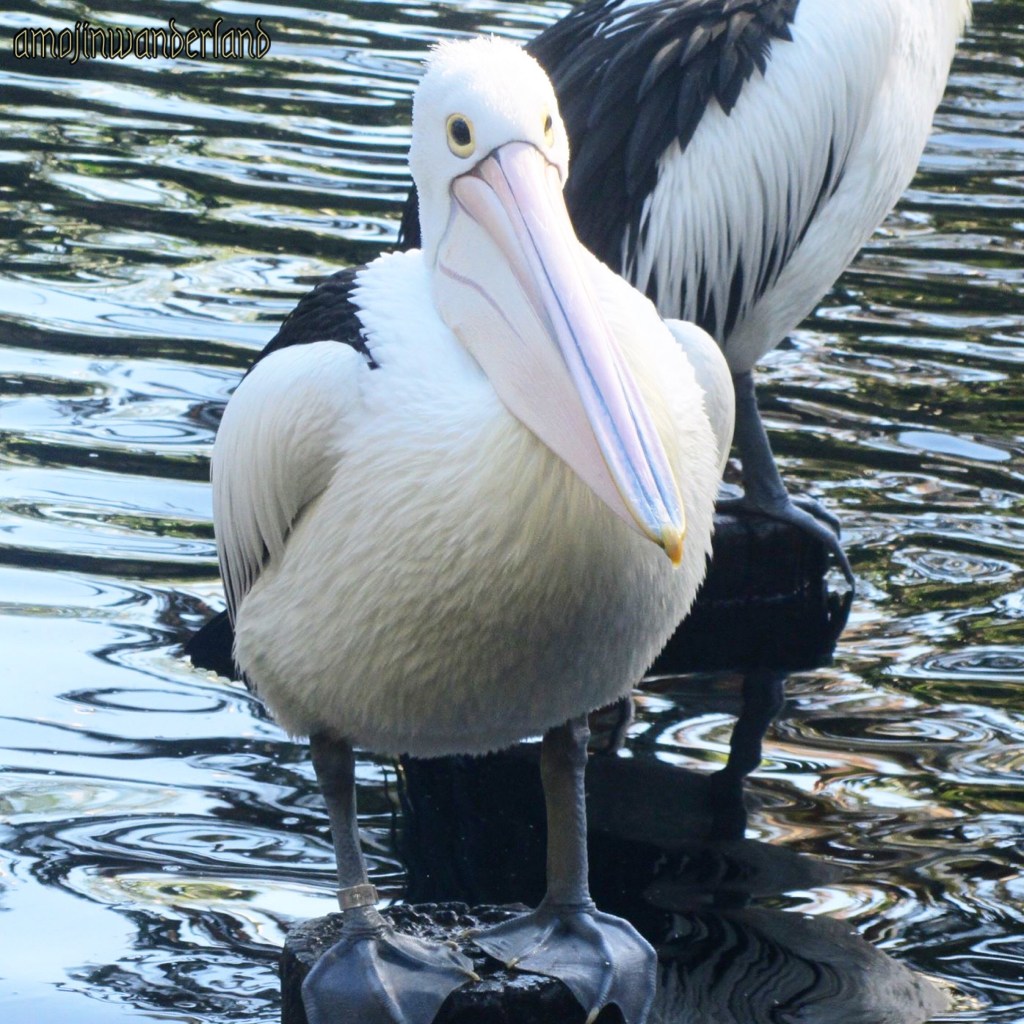
Whether it’s birding or birdwatching, I thoroughly enjoy observing birds. I owe this hobby to my Japanese friend who introduced me to it during my time in Japan. Even now, amidst my hectic schedule, I find solace in birdwatching on occasion.
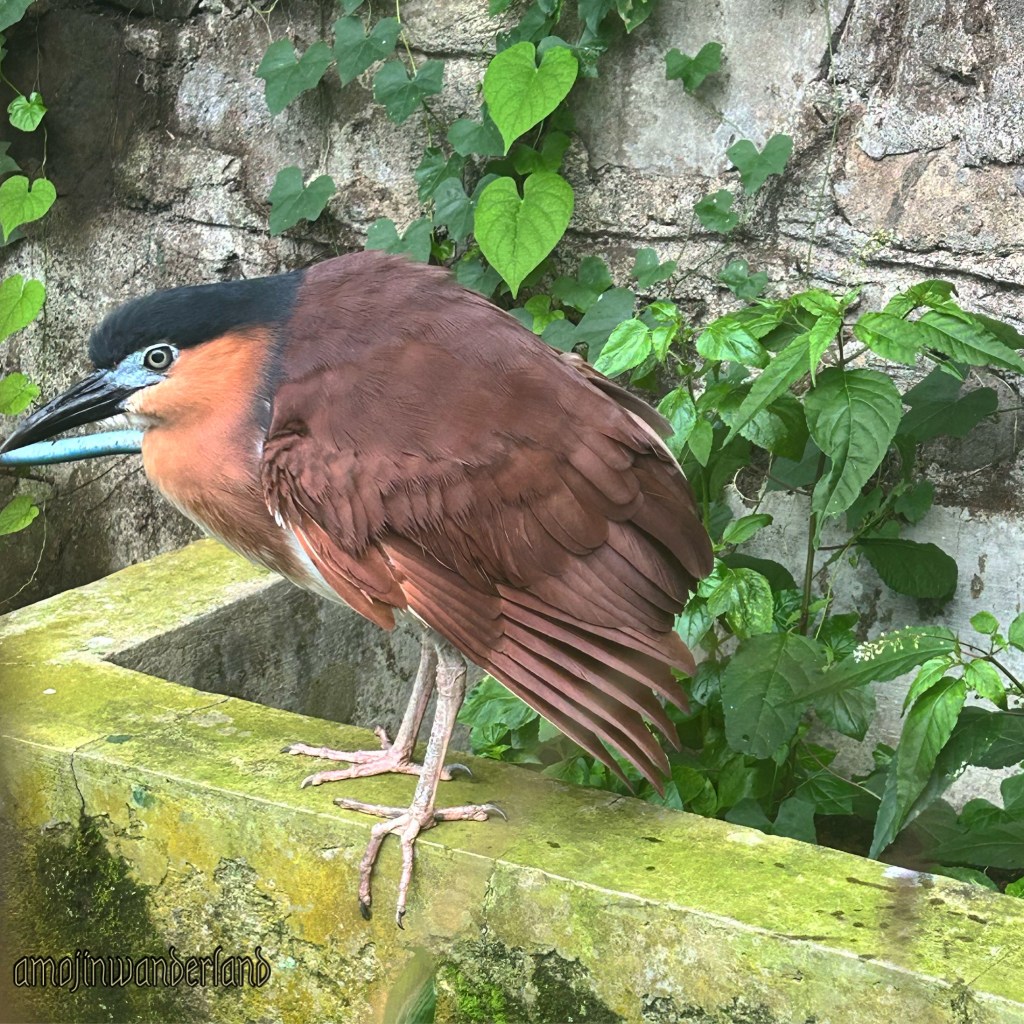
 Amoj In Wanderland
I like watching birds in the wild, observing their behaviour 🙂
LikeLike