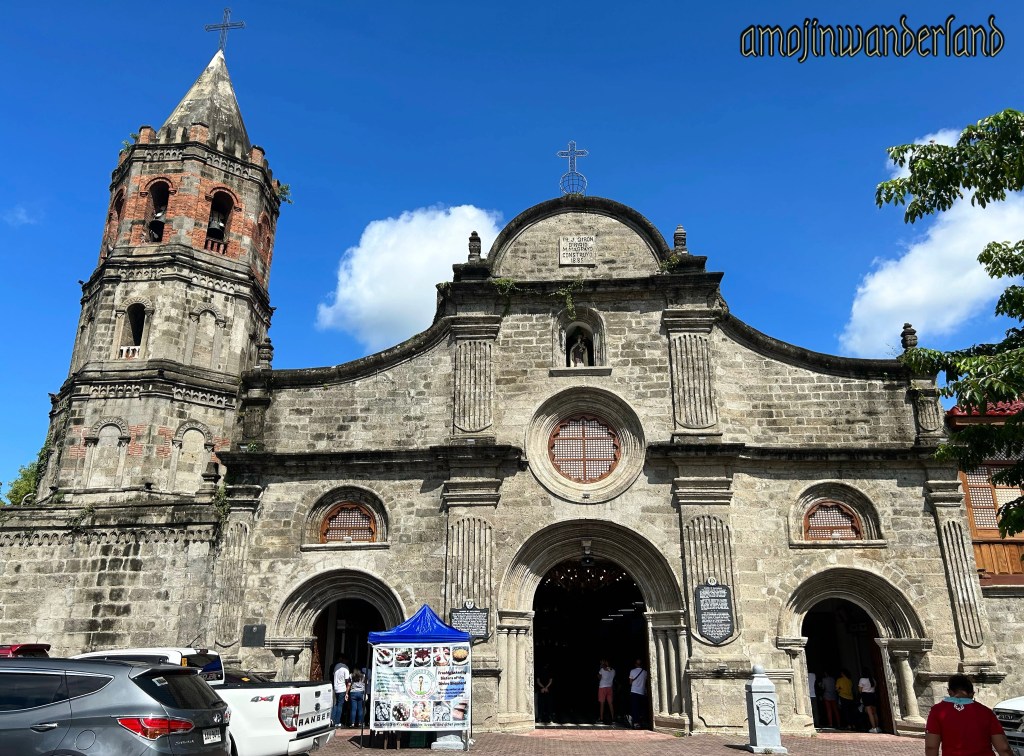
Following our birdwatching experience in Valenzuela City’s Tagalag Fishing Village, we opted to attend the mass at Malolos, Bulacan’s Barasoain Church. This church, also referred to as the Our Lady of Mount Carmel Parish Church, holds great historical and cultural importance within the Philippines.
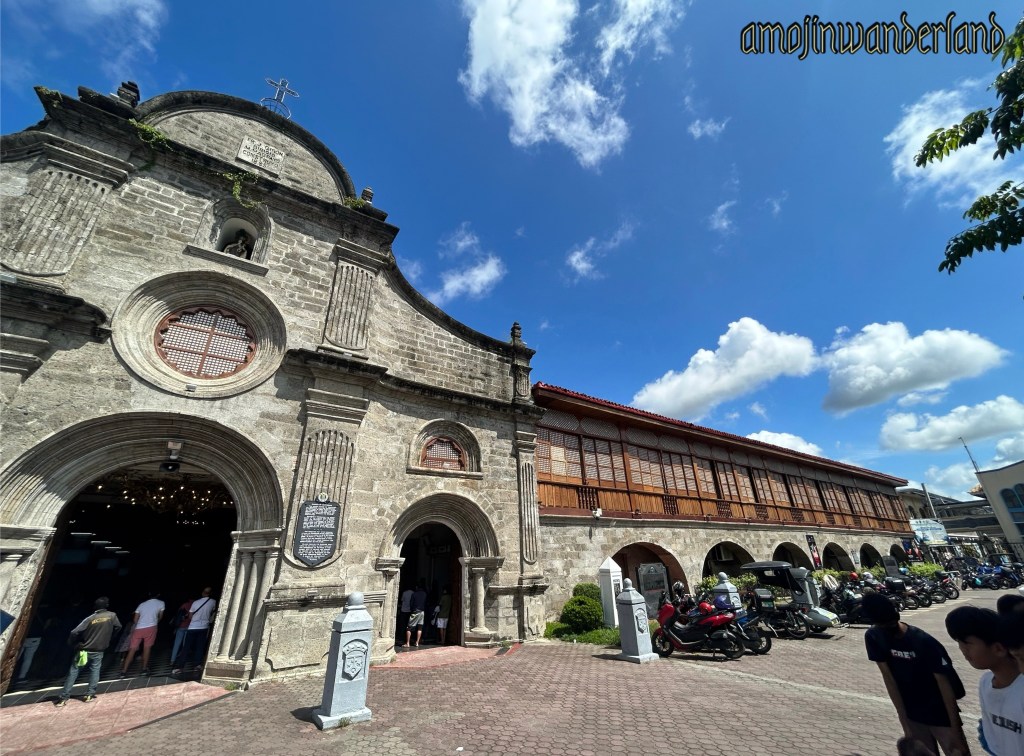
Originally referred to as “Bangkál,” a segment of the Encomienda of Malolos, Barásoain was amalgamated by the appointed Spanish Governor-General of the Spanish East Indies, Miguel López de Legaspi, along with the neighboring town of Calumpit to the western side. Upon its autonomy and separation from Malolos in 1859, the newly established church was consecrated, taking Our Lady of Mount Carmel as its patron. Situated adjacent to the church is a former convent, now transformed into a museum overseen by the National Historical Commission of the Philippines.
Similar to many other churches, Barasoain Church endured significant damage on multiple occasions. The development of an expansive masonry and brick church commenced in 1885 and concluded in 1888. This architectural endeavor was overseen by Miguel Magpayo, showcasing a Neo-classical style in its façade. In 1903, the town of Barasoain underwent dissolution and was once again incorporated into Malolos.
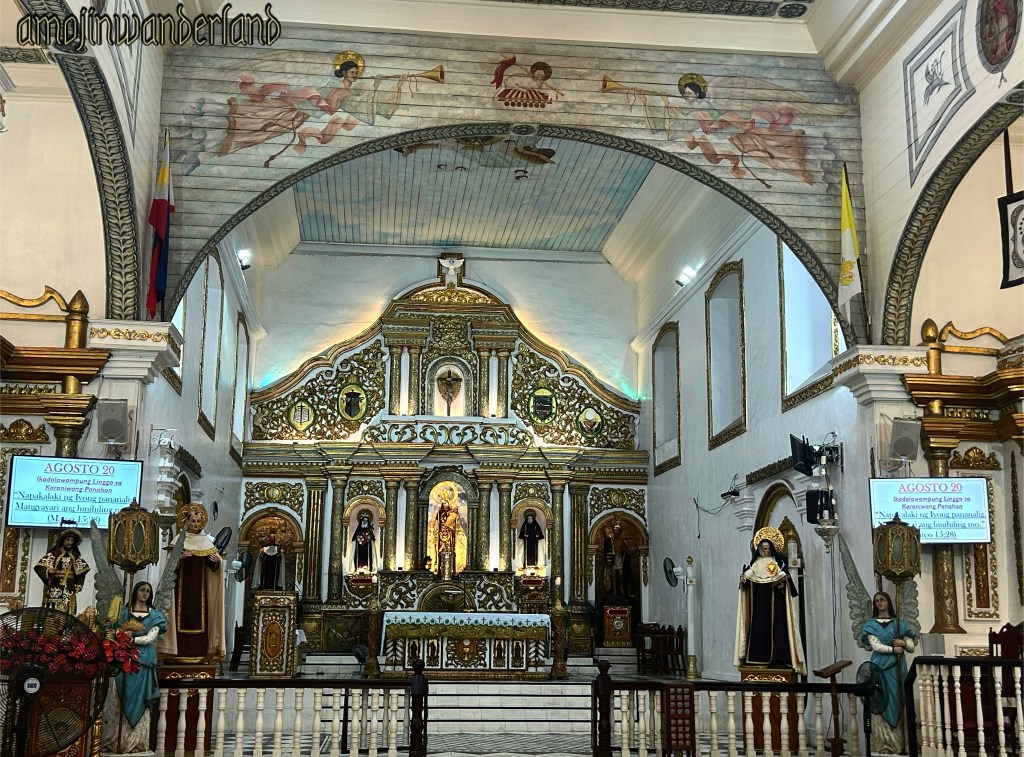
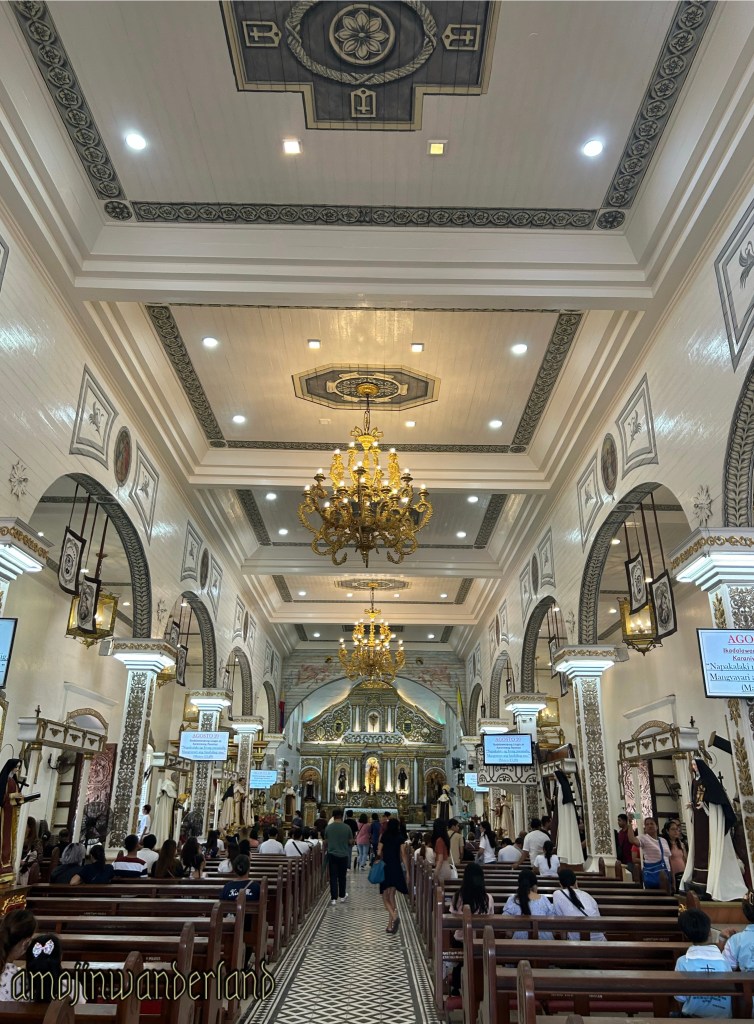
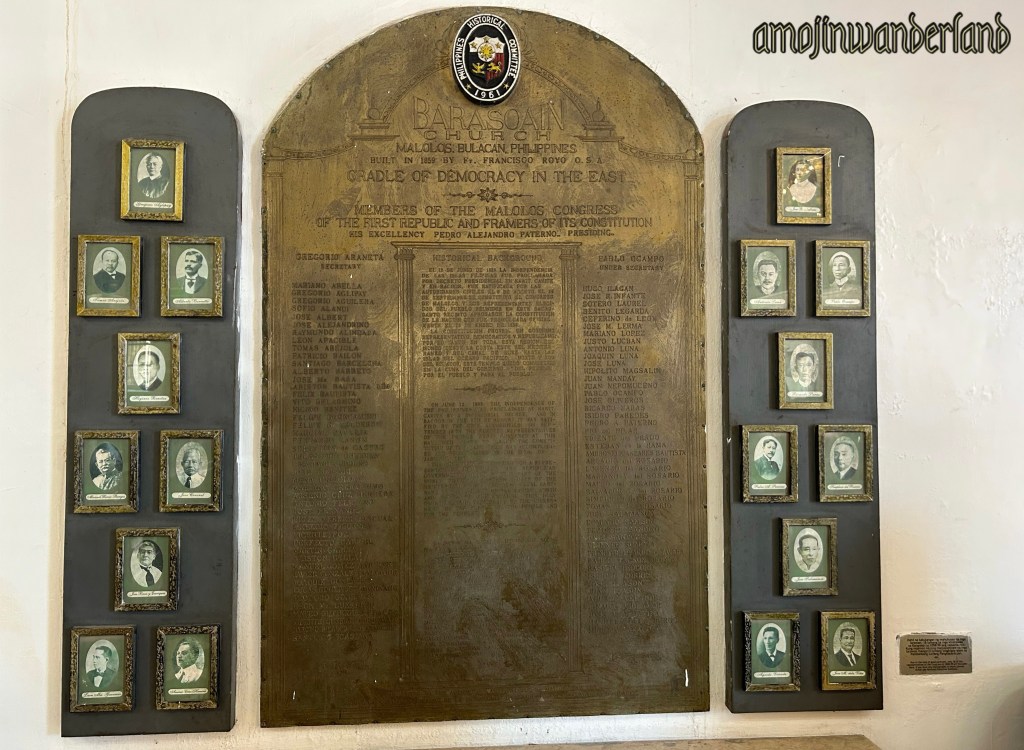
On September 15, 1898, the Malolos Congress, which served as the nation’s inaugural constitutional assembly, convened within the confines of the church. In this momentous assembly, the initial Philippine Constitution was officially endorsed, signifying a pivotal stride toward achieving independence. As the first Constitution across the entirety of Asia, the church earned the moniker “Cradle of Democracy in the East.”
I still remember when Barasoain Church was still in the old 10 Philippine Peso bill. During that time, there was a challenge to spot a hidden cat at the church’s façade.
 Amoj In Wanderland
Now this is one church that I’ve only seen in history books!
LikeLike