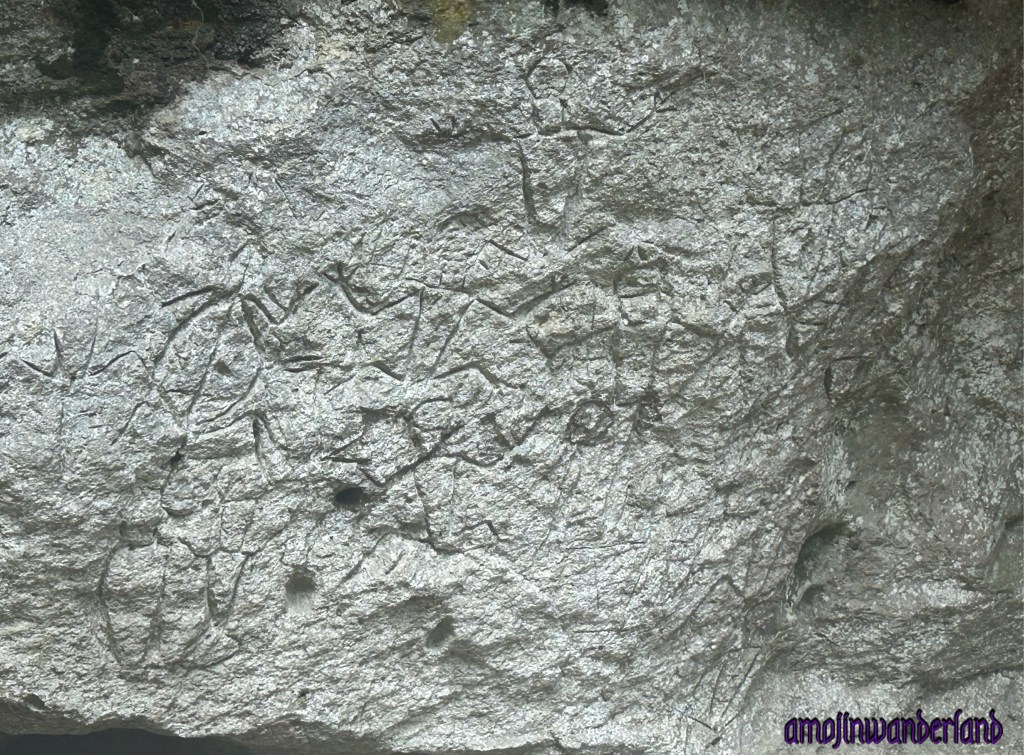
Carved into the rocky surface of a limestone outcrop, the enigmatic prehistoric drawings of the Angono-Binangonan Petroglyphs offer a tantalizing glimpse into the lives and beliefs of our ancestors, dating back thousands of years.
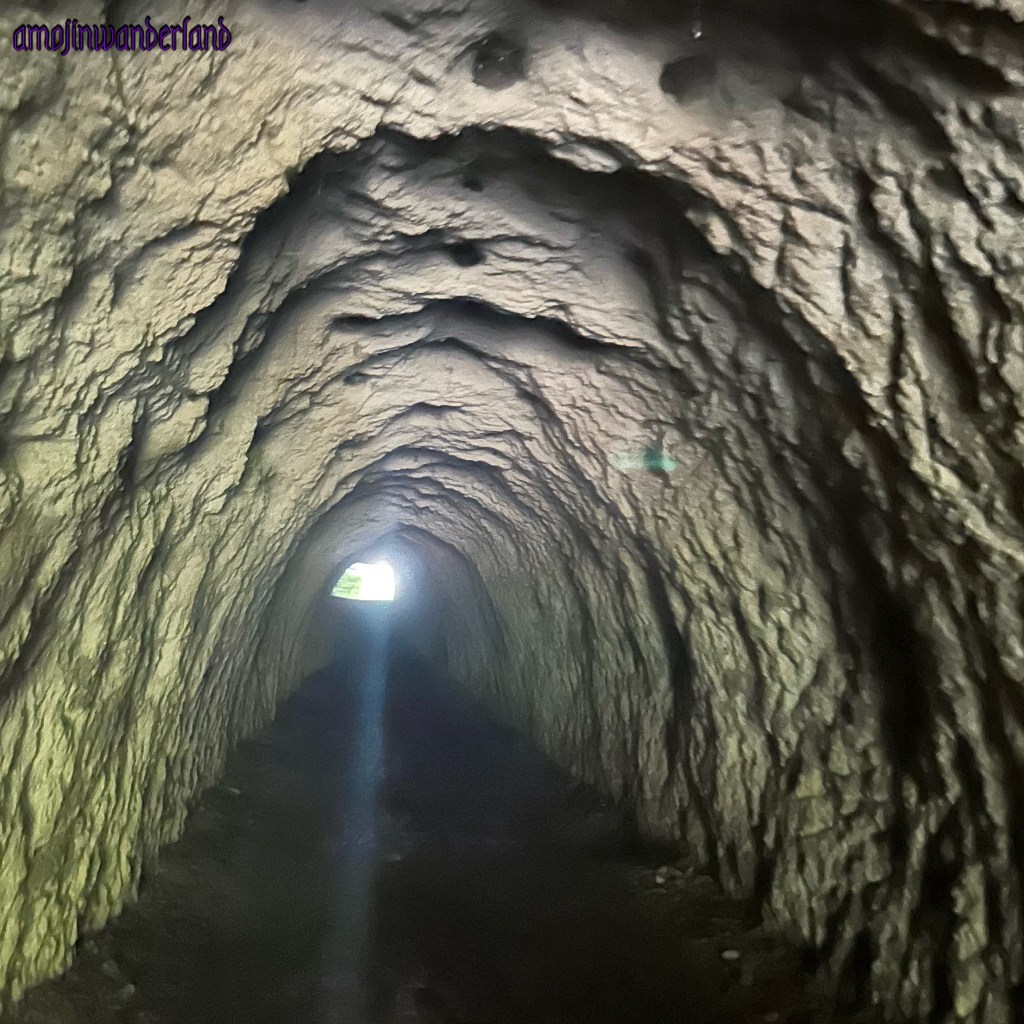
The petroglyphs are located in the municipality of Angono in Rizal province. Discovered in the 1960s by a group of amateur archaeologists, the site unveiled a treasure trove of ancient artistry. One of the key individuals involved in the discovery was Carlos “Botong” Francisco, a renowned Filipino artist. Botong Francisco, along with his team, stumbled upon these ancient rock engravings while conducting research in the Angono area. Their discovery brought attention to the site’s historical and cultural significance, leading to further exploration and study of the petroglyphs.
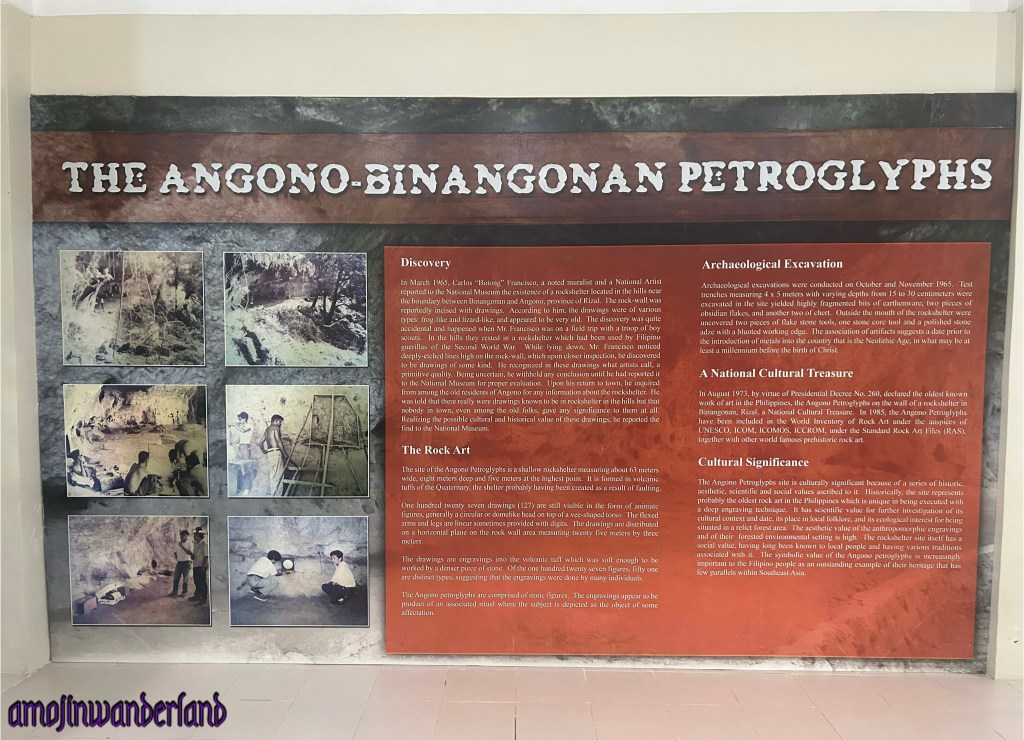
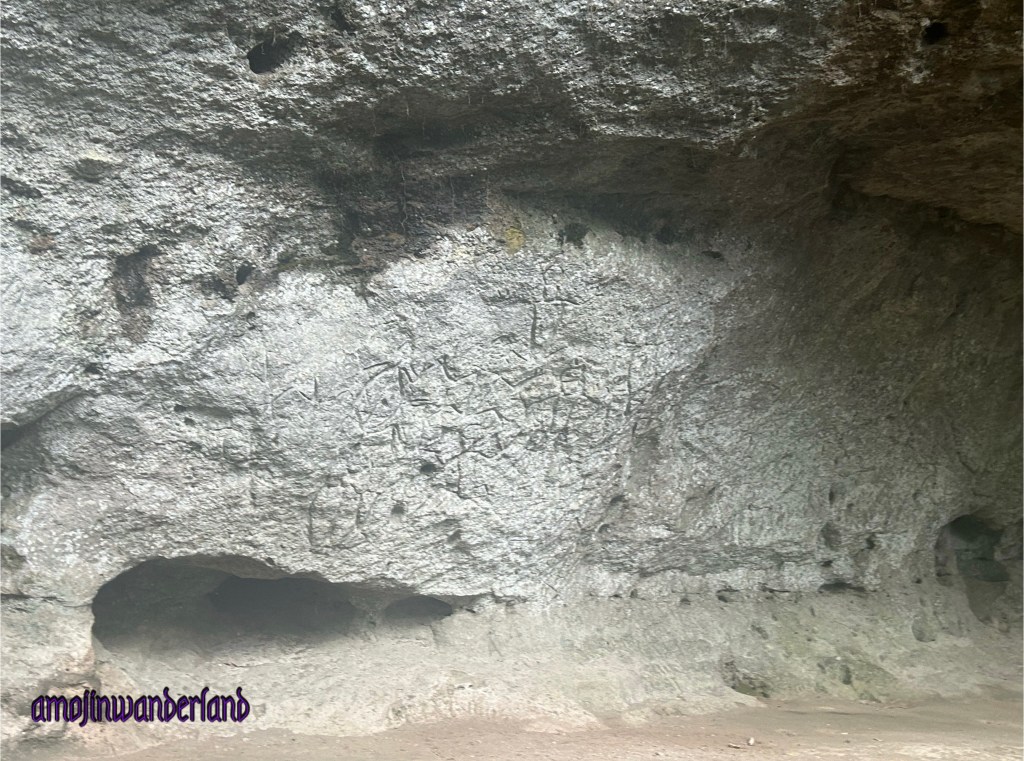
The petroglyphs feature 127 drawings including a wide array of figures, animals, and symbols etched into the rock face. Among the most striking are depictions of people, various animals such as frogs, lizards, and turtles, and even abstract symbols that continue to baffle researchers. Each carving seems to tell a story, though its true meaning remains a subject of ongoing study and debate.
While the exact age of the petroglyphs is still a matter of discussion, they are believed to date back over 5,000 years, possibly making them the oldest known artwork in the Philippines. This incredible antiquity only deepens the mystery surrounding their purpose and meaning. Were they religious symbols, records of ancient rituals, or simply artistic expressions of the people who once inhabited these lands?
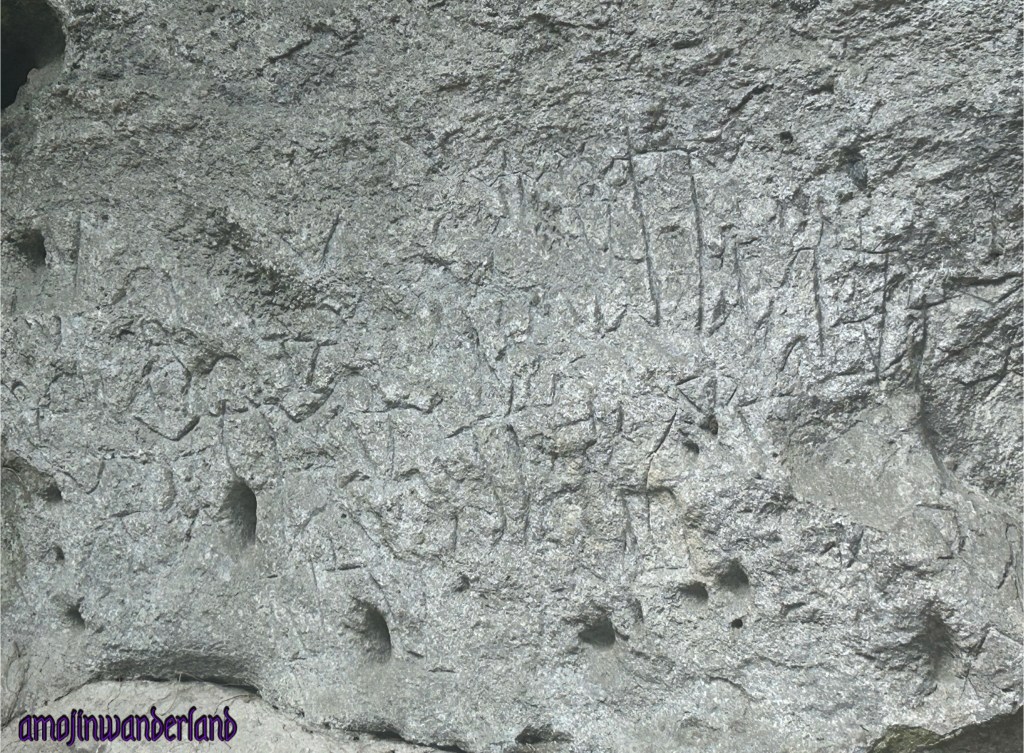
Recognizing the significance of the petroglyphs, concerted efforts have been made to protect and preserve this invaluable cultural heritage site. It was declared a National Cultural Treasure by the Philippine government and was included in the tentative list of UNESCO World Heritage Sites. Conservation measures have been put in place to safeguard the fragile carvings from erosion and vandalism.
 Amoj In Wanderland
Wow this is interesting!
LikeLike