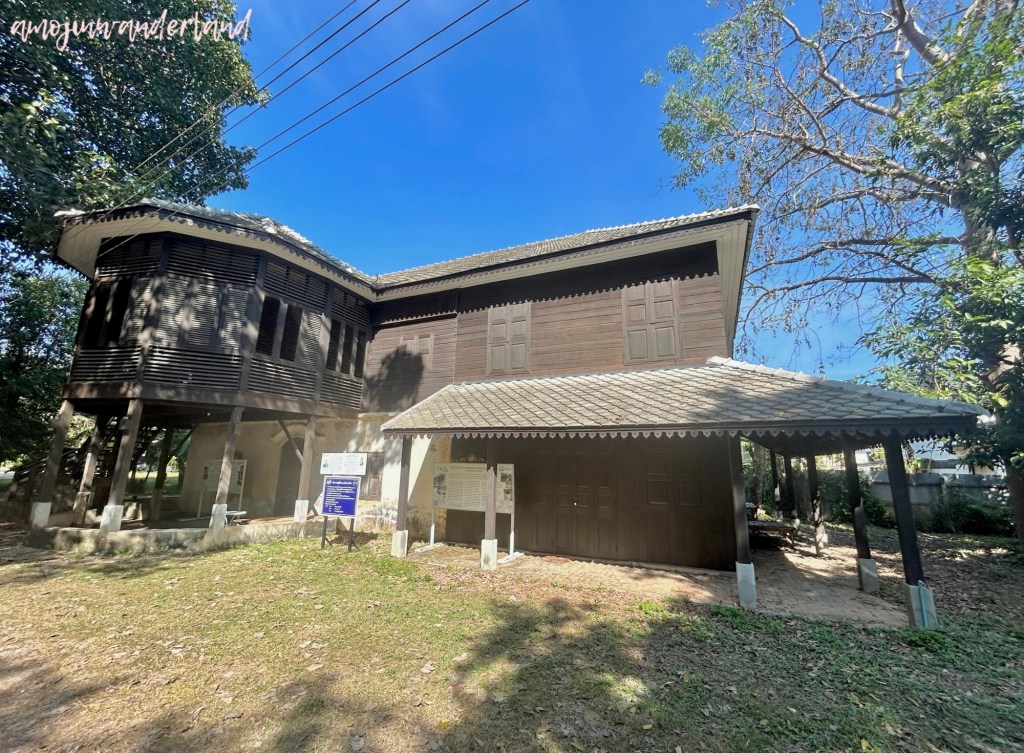
Known locally as Baan Louis, the Louis T. Leonowens House is often mentioned because of its indirect but well-known link to The King and I. The connection comes through Anna Leonowens, the mother of Louis T. Leonowens. Anna served in the 1860s as tutor to the children of King Mongkut (Rama IV), an experience that later became the basis for Western novels, stage productions, and films.
The King and I, both as a Rodger and Hammerstein’s stage musical and in its 1956 film adaptation, as well as the later remake Anna and the King, have all been banned in Thailand. Thai authorities ruled that these works portrayed King Mongkut and the Siamese court in ways that were historically inaccurate, disrespectful, and demeaning. Scenes depicting the king as boorish, Westernized, or overly influenced by a foreign governess were considered offensive and in violation of Thailand’s strict lèse-majesté laws, which protect the monarchy from defamation. As a result, while Anna Leonowens became widely known internationally through theater and film, her story remains controversial within Thailand.
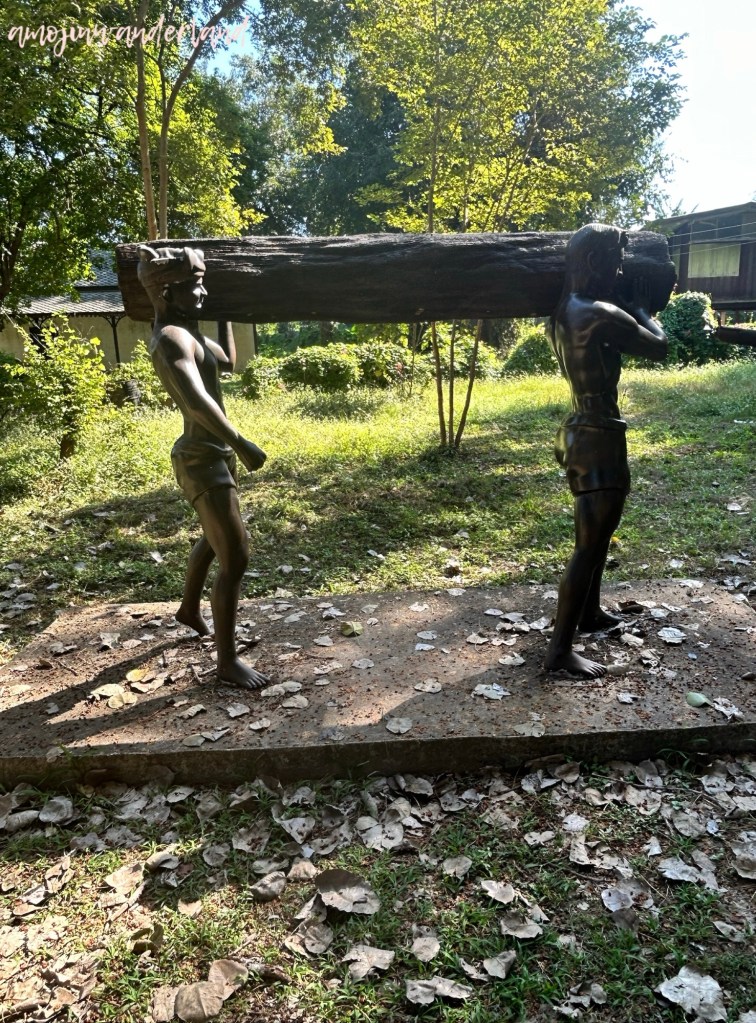
Against this backdrop, the house in Lampang tells a different and more locally grounded story—one centered on Anna’s son, Louis T. Leonowens (1856–1919). Louis built his life not in royal courts or theatrical imagination, but in the practical world of commerce. From 1884 onward, he became deeply involved in the teak trade, working for major British firms such as the British Borneo Company and the Bombay Burmah Trading Corporation. Fluent in Thai and culturally well integrated, he was often described as behaving much like a Thai and moved easily within local society. He grew up during the reign of King Chulalongkorn (Rama V).
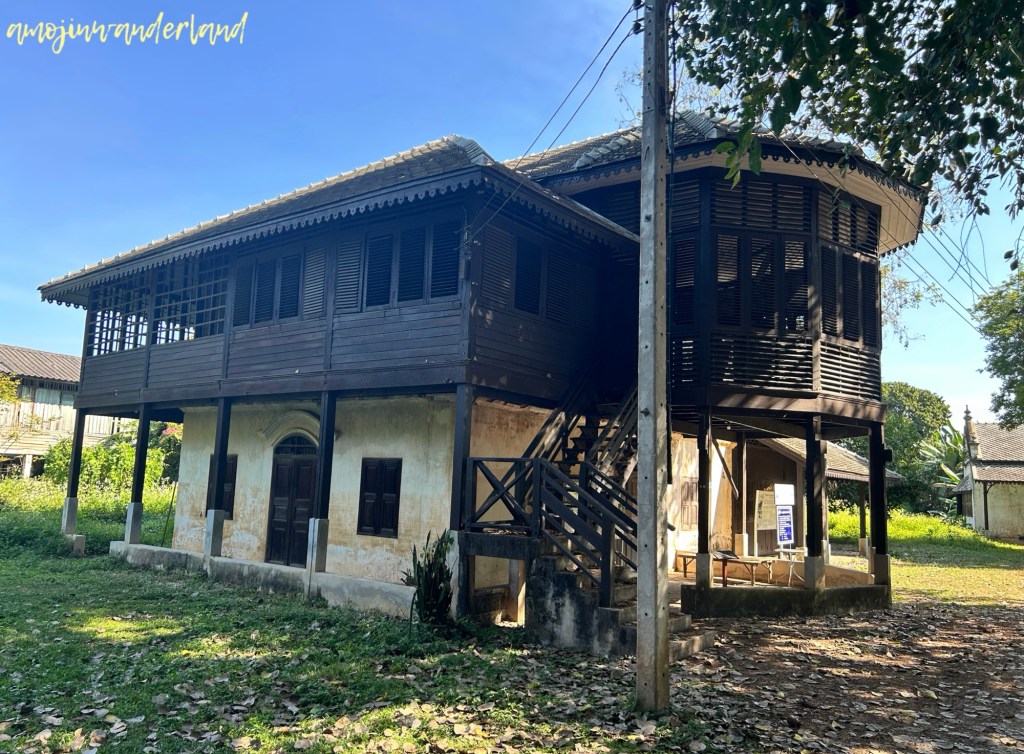
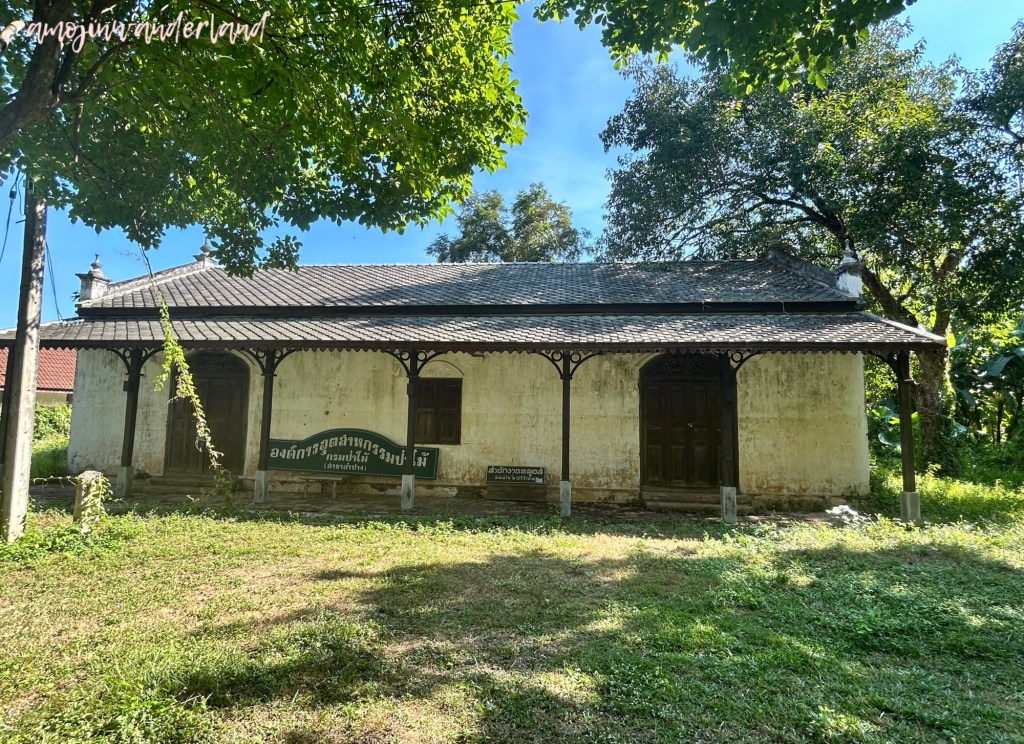
In 1905, Louis founded the Louis T. Leonowens Company, prompting the construction of the Lampang compound that served both as his residence and company office. Located in Lampang’s former forestry neighborhood, the house was well placed within the city’s teak-based economy. Company staff were stationed in Raheng (Tak), Pak Nam Pho (Nakhon Sawan), Sukhothai, and Sawankhalok, while administrative offices operated in Bangkok and London. In addition to teak logging, the company also acted as an agent for imported whisky. The Leonowens Company remains active today as a trading enterprise.
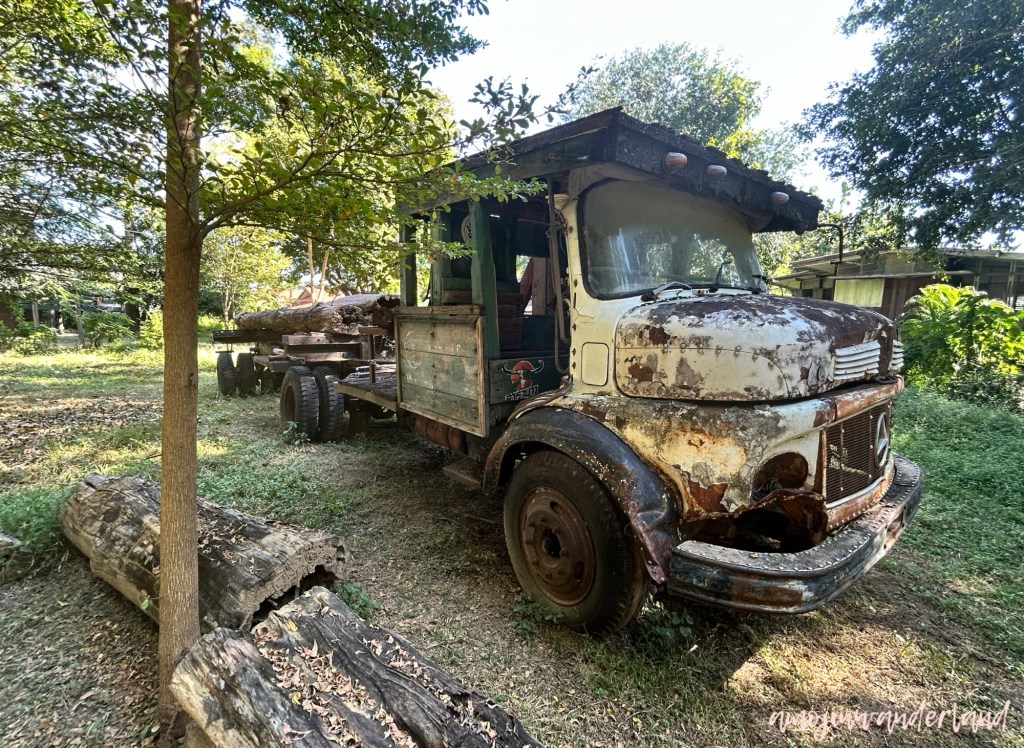
Louis returned to the United Kingdom in 1913 and died in 1919 during the global influenza pandemic. His Lampang house—renovated in 2020 but now once again left unattended—stands as a reminder that behind the global fame and controversy of The King and I lies a quieter, more concrete history of trade, migration, and everyday life in northern Thailand.
 Amoj In Wanderland